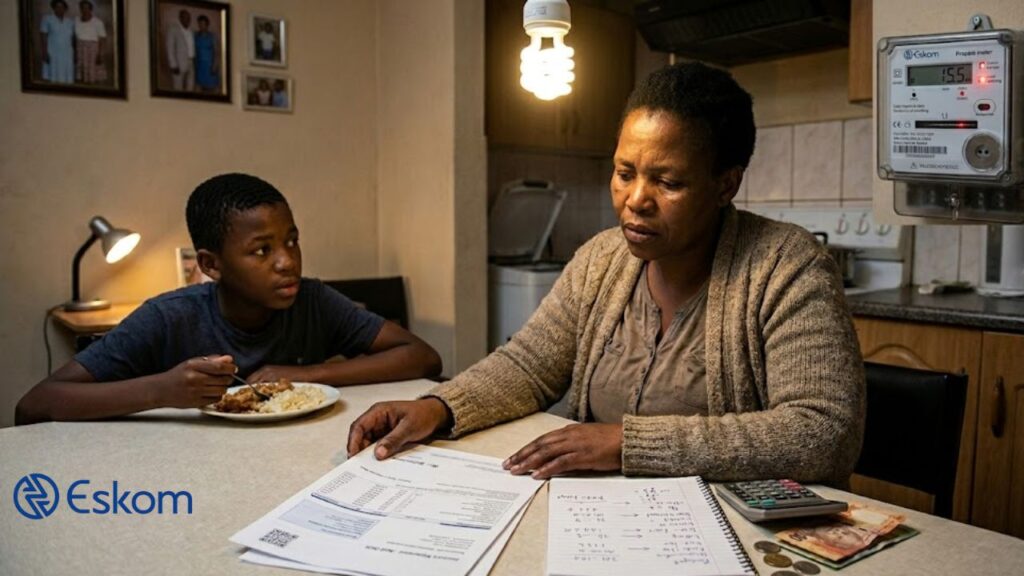
In its most recent power system update, the electricity company Eskom declared that it was pursuing a phased plan to do away with load reduction by 2027.
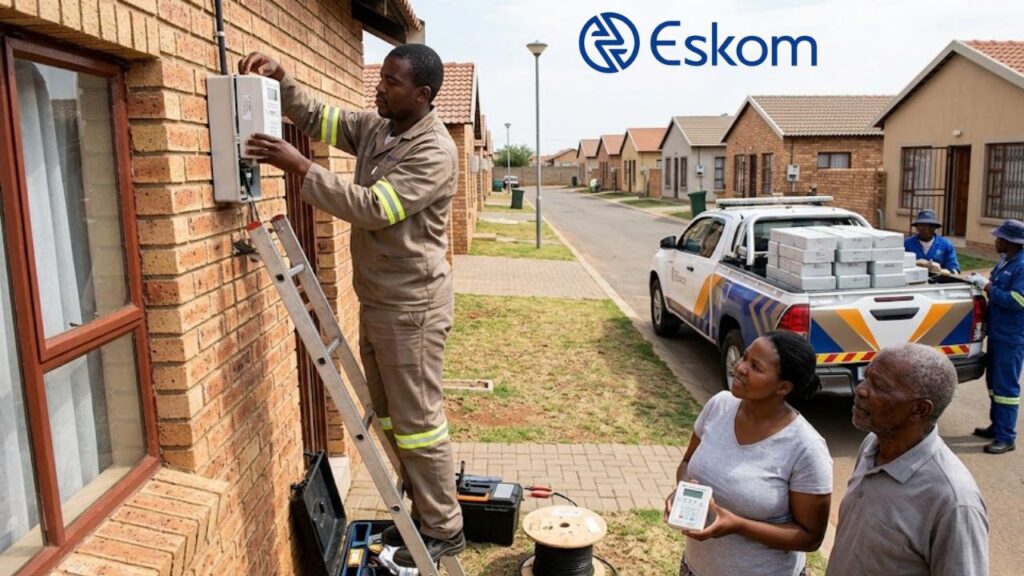
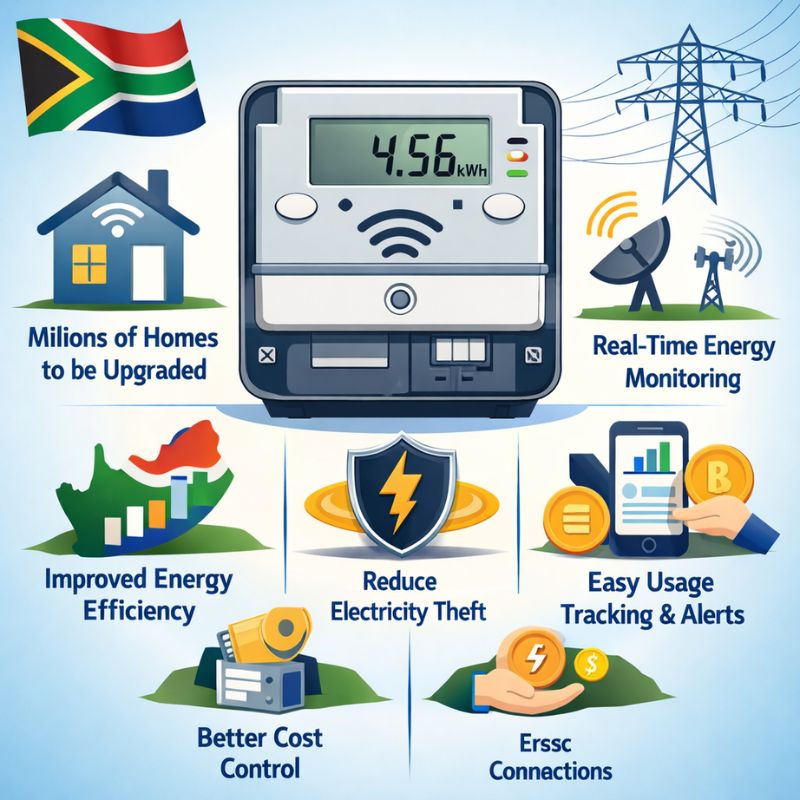
The implementation of smart meters across the country is the main focus of this project, and it is already producing quantifiable results already.
Eskom credits the Generation Recovery Plan and the strong performance of the power plants for preventing load shedding record-breaking 308 days in a row.

However, load reduction is still a temporary requirement in high-risk areas with unauthorized connections and damaged infrastructure issues.
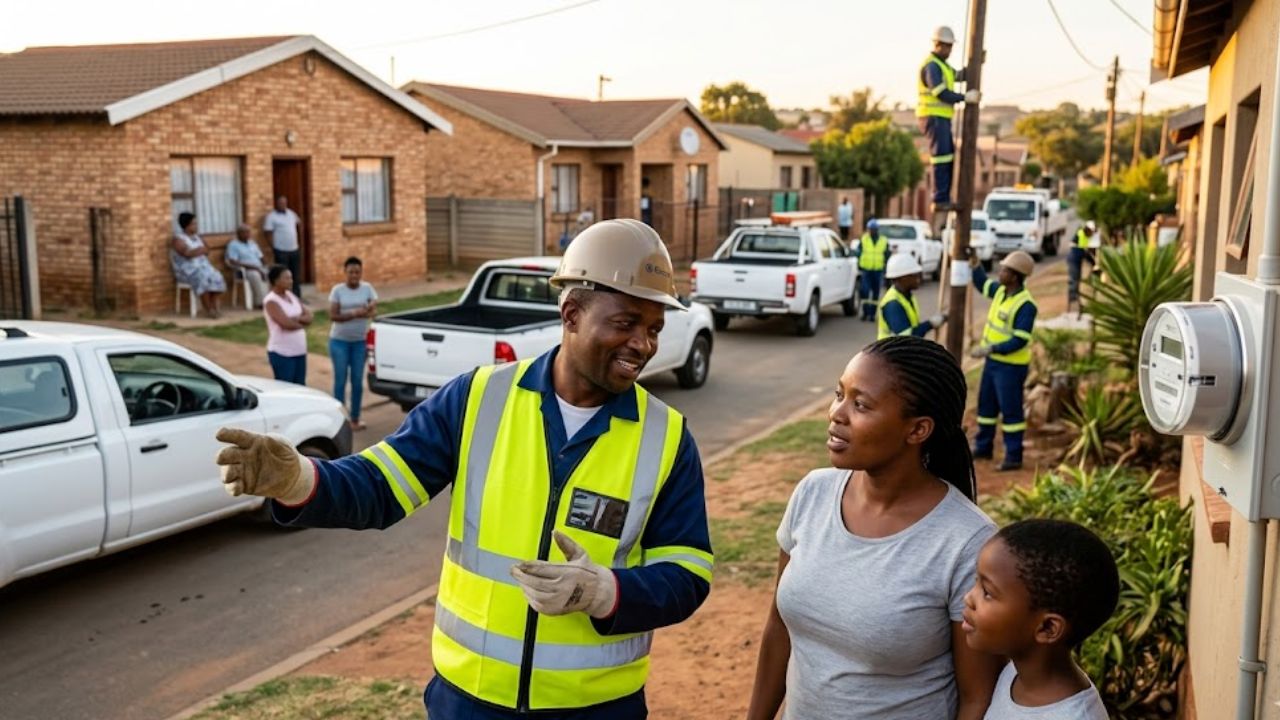
Approximately 1.69 million customers will benefit from Eskom’s multifaceted approach to ending this, which targets 971 feeders targeted.
Installing smart meters, which allow remote management of non-paying users without using blanket load reduction that penalizes compliant customers unfairly, is crucial to this.
“Minister, I pay for my electricity, I am not illegally connected, and yet I am punished the same as everyone else,” is one of the most frequent criticisms I receive. When the plan was first unveiled, Minister of Electricity and Energy Kgosientsho Ramokgopa said, “With smart meters, we can isolate those who choose not to pay and not make others collateral damage situation.”
According to a recent report, 50% of Eskom’s 1.2 million provincial customers steal electricity, causing the company to lose R6 billion annually in KwaZulu-Natal alone.
Ninety percent of people in the Pietermaritzburg area do not pay for electricity, according to Dadewabo Mbhele, Senior Manager for Customer Services at Eskom.
Eskom has installed 470,134 smart meters nationwide so far, 183,956 of which are on load reduction feeders. This allows customers to see their usage more clearly and supports accurate billing.
The utility reported that an estimated 208,819 customers are now benefiting from the removal of 157 feeders from load reduction.
About 90% of smart meter installations on load reduction feeders are located in Gauteng, Mpumalanga, Limpopo, and KwaZulu-Natal, the provinces with the highest network risk levels.

A phased program is planned to install 577,347 smart meters on high-risk feeders. The first phase of this project is expected to be finished by March 2026 timeline, with a full rollout scheduled for 2027.
Eskom’s installation teams are encountering strong opposition in the field, so the rollout has not been without its difficulties. “Installation teams continue to face persistent resistance including intimidation, violent incidents, and repeated work stoppages,” according to the most recent update.
The rollout’s stability has been undermined by these disruptions, which have caused deployment delays significantly, with about 122,000 scheduled meter conversions postponed thus far.
When the KwaZulu-Natal rollout began in October 2025 period, Asad Gaffar, the chairperson of the Westville Ratepayers Association, voiced doubts about the technology.
As the demand for electricity rises, Eskom should consider ways to boost its output rather than deploying these devices. The majority of nations have long-term strategies in place to guarantee that their needs for electricity are satisfied. Gaffar remarked, “We only struggle in South Africa because we have the wrong people in management.”
However, Eskom emphasized that the meters’ goal is to “build a smarter, more connected South Africa.”
Customers can monitor their balances, have real-time control and be eligible for reward programs like Demand Response (DR) thanks to smart meters benefits.
Additionally, according to Eskom, smart meters will increase access to Free Basic Electricity (FBE) by enabling the government to “front-load” the 50 kWh monthly allotment to eligible households. There are currently 582,110 FBE registrations, which represents only roughly 28% of the 2.1 million eligible base.
The utility calls on the public to support Eskom’s ongoing partnerships with communities and infrastructure upgrades.