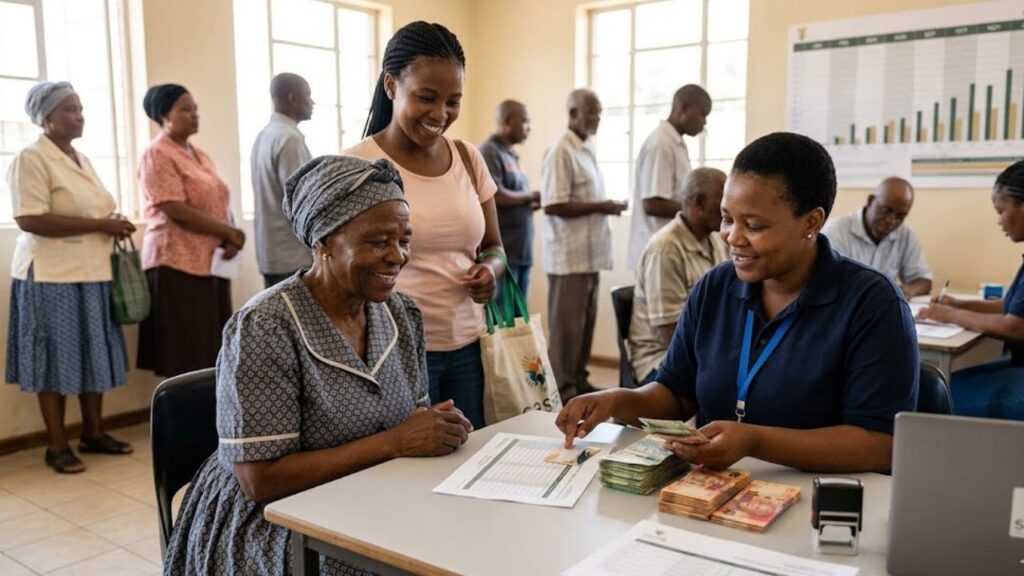
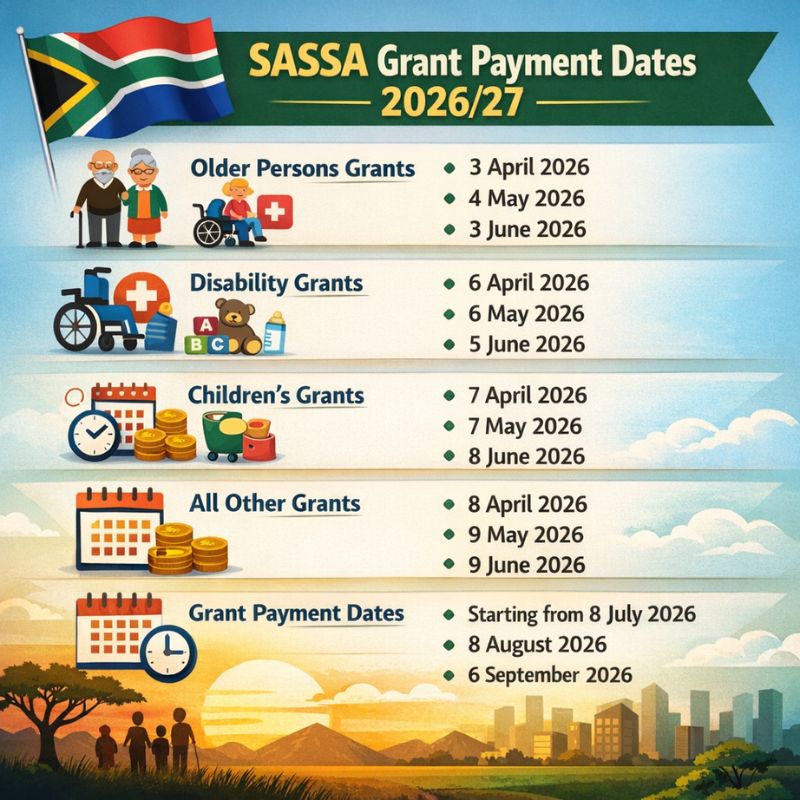
The National Treasury-approved schedule adheres to SASSA’s standard method of distributing payments over three days per month, usually beginning with grants for older people, then disability, and finally children. The purpose behind this structured distribution is to ensure that all individuals, regardless of their circumstances, receive their benefits in a timely and efficient manner. This system helps keep the public well-informed about their entitlements and avoids confusion that might arise due to irregular payment schedules.
To ensure seamless processing through the national payment system, modifications are made to avoid Mondays, weekends, and public holidays. Such changes help eliminate delays and ensure that payments are made during the working days, further reducing any risks of confusion or frustration for beneficiaries. The efficient scheduling and timely payments are essential for maintaining public trust and keeping the social safety net effective and reliable.
Dates of SASSA Payment (2026/2027)
| Month | Payment Date 1 | Payment Date 2 | Payment Date 3 |
|---|---|---|---|
| April 2026 | 02 April | 07 April | 08 April |
| May 2026 | 07 May | 05 May | 06 May |
| June 2026 | 02 June | 03 June | 04 June |
| July 2026 | 02 July | 03 July | 06 July |
| August 2026 | 02 August | 03 August | 04 August |
| September 2026 | 02 September | 03 September | 04 September |
| October 2026 | 02 October | 05 October | 06 October |
| November 2026 | 03 November | 04 November | 05 November |
| December 2026 | 06 December | 07 December | 08 December |
| January 2027 | 06 January | 07 January | 20 January |
| February 2027 | 20 February | 21 February | 22 February |
According to SASSA, funds will be made available on the following working day if a payment date falls on a weekend or public holiday. This ensures that beneficiaries receive their funds without any unnecessary delays, regardless of when the official payment date falls. SASSA’s commitment to making payments on the next working day highlights the agency’s dedication to providing an uninterrupted flow of benefits for the people who rely on them for their livelihoods. It is crucial that these payments be as consistent as possible to avoid creating financial instability for the recipients.
Grant Increases Commencing in April 2026
Several grants will rise as a result of the recent Budget Speech. These increases are aimed at improving the financial support for South African citizens who are most in need, ensuring that they can meet their basic needs and live with dignity. The increases are part of the government’s broader plan to strengthen the social safety net and address growing inequalities within the country.

- Grants for Disability, Older People, and Care Dependency: increased by R80 to R2,400
- War Veterans Grant: increased to R2,420 by R80
- Foster Child Grant: R1,290, an increase of R40
- Grant-In-Aid and Child Support Grant: increased by R20 to R58
 These increases are a step forward in reducing the challenges faced by vulnerable groups in South Africa. With these higher amounts, recipients will be better equipped to deal with the rising cost of living and other financial burdens. It is essential that these grants are reviewed regularly to ensure they continue to meet the needs of those they are designed to support. The increases are especially important for those who rely on these benefits as their primary source of income, allowing them to lead more secure lives.
While the grant increases are a positive development, the government must continue to monitor the effectiveness of these changes. It is also important that the funds are distributed efficiently and transparently to avoid any delays or administrative errors. For the millions of South Africans who rely on these benefits, timely payments and adequate amounts are critical to their well-being.
The social grants provided by SASSA form an essential pillar of South Africa’s social support system. These payments help alleviate poverty and provide a buffer against financial hardship for some of the most vulnerable people in the country. It is imperative that these systems remain robust and responsive to the changing needs of society, ensuring that no one is left behind in times of economic challenges.