The ongoing conflict in the Middle East has intensified global concerns around fuel supply, especially after key oil refineries and petroleum handling ports were targeted and reports emerged about disruptions in the Strait of Hormuz. This critical maritime route handles a significant portion of the world’s oil transport, making any restriction a major global issue.
However, the situation may not impact all countries equally. South Africa, in particular, could face less immediate pressure compared to others, following statements from Iran’s Ambassador to South Africa.
Selective Access Through Strait of Hormuz
According to reports by eNCA, Iran’s Ambassador Mansour Shakib Mehr clarified that the Strait of Hormuz has not been completely shut down. Instead, Iran has implemented a selective access system, allowing passage only to vessels from countries considered friendly.

He stated that nations such as China and India are currently permitted to move their ships through the strait, while vessels linked to the United States and Israel are being blocked. This controlled access approach suggests that Iran is exercising strategic oversight rather than enforcing a total closure.
Mehr further indicated that Iran is willing to extend similar support to South Africa if requested, potentially allowing safe movement of freight and oil shipments through the region.
Alternative Routes and Strategic Monitoring
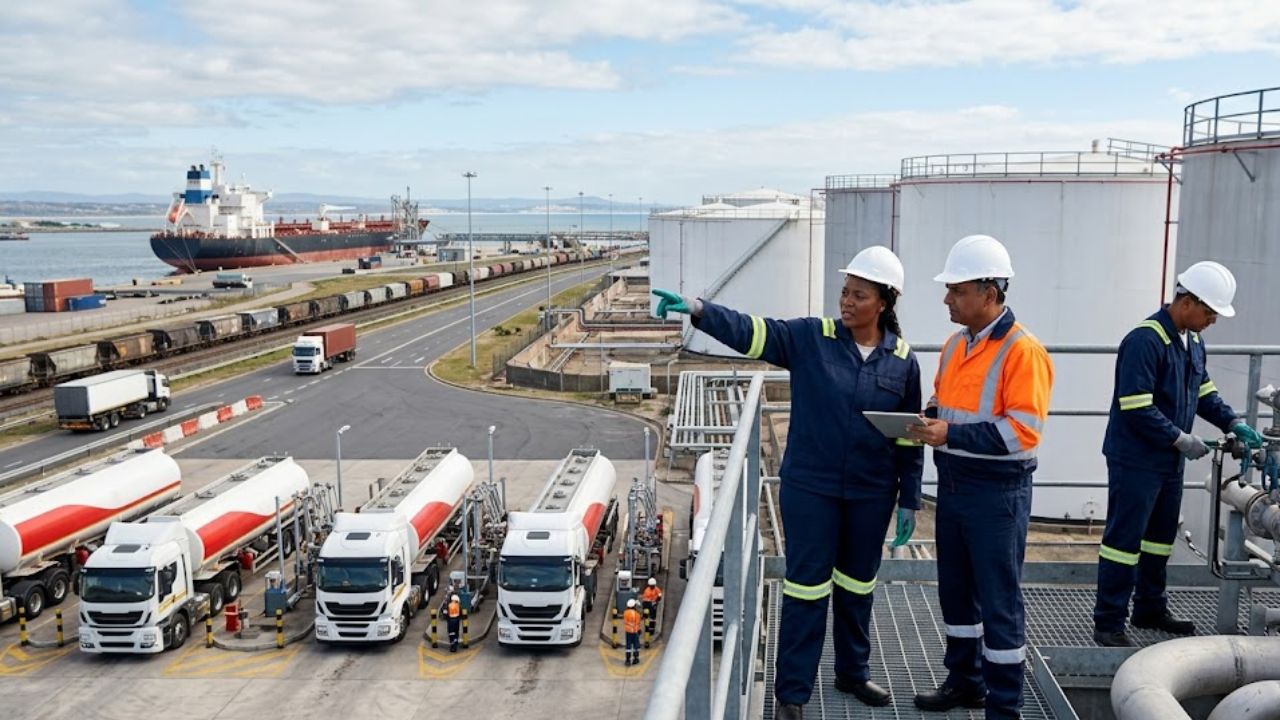
Recent maritime tracking data highlights that ships are still navigating through the region using alternative pathways. At least five vessels reportedly exited the strait via Iranian-controlled waters during the week.
Maritime intelligence firm Windward described this as a “permission-based transit system,” indicating that Iran is closely monitoring and approving vessel movements. Similarly, JPMorgan commodities analyst Natasha Kaneva noted that some ships used the Larak–Qeshm Channel, an unconventional route near the Iranian coastline.
She explained that this deviation from standard routes likely allows authorities to verify cargo details and vessel ownership before granting passage.
Rising Global Oil Prices and Local Impact
Despite partial access to shipping routes, global oil markets have already reacted strongly. Since the conflict escalated, oil prices have surged by more than 55%, driven by reduced supply and disruptions in the Persian Gulf.
For South Africa, the immediate supply chain may remain relatively stable. The country sources only about 24% of its crude oil from Saudi Arabia, while the majority comes from Nigeria and Angola. Additionally, refined petroleum imports arrive via Oman’s Port Sultan Qaboos, which remains unaffected by current restrictions.

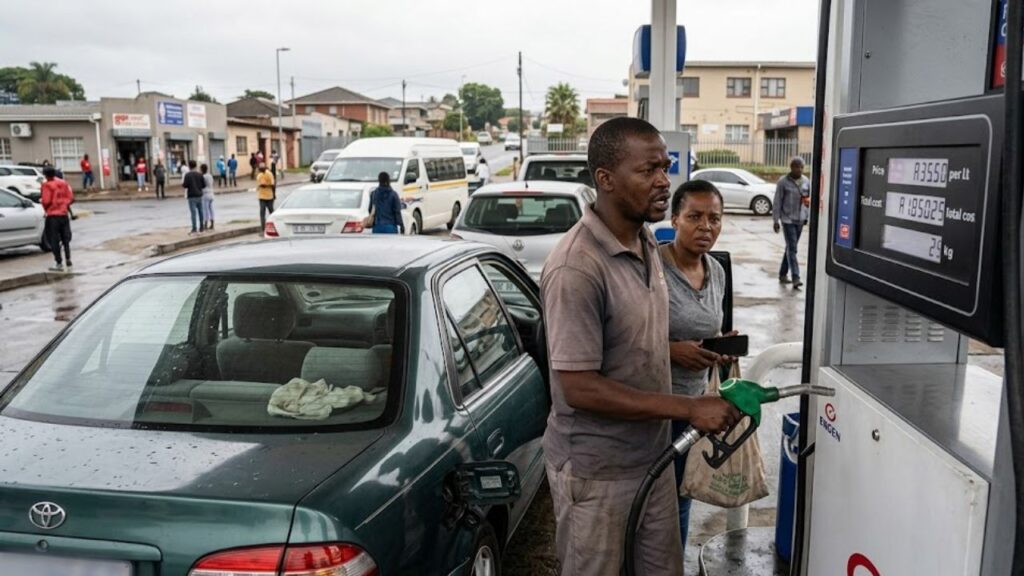
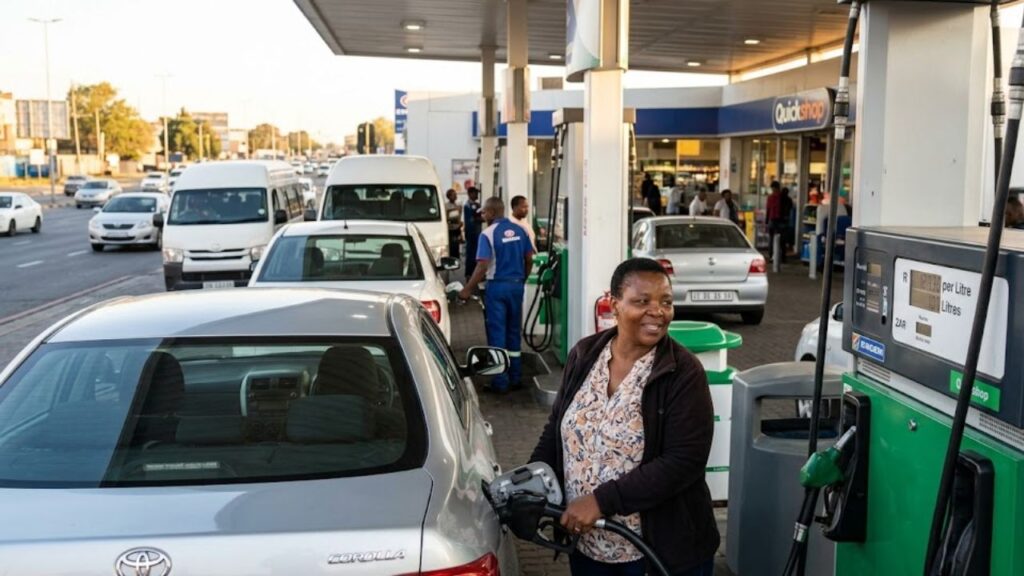
However, local fuel prices are still expected to increase significantly. Estimates suggest petrol could rise by around R4 per litre, while diesel may jump by more than R7 per litre in the coming months.
Long-Term Solutions Still Needed
Economists warn that while short-term supply routes may remain open, the broader economic impact cannot be avoided. Johann Els, chief economist at PSG Financial Services, emphasized that resolving the conflict quickly would be the best possible outcome for stabilizing prices.
He also highlighted the urgent need for South Africa to develop its own oil production capacity, although such measures would only provide long-term relief.
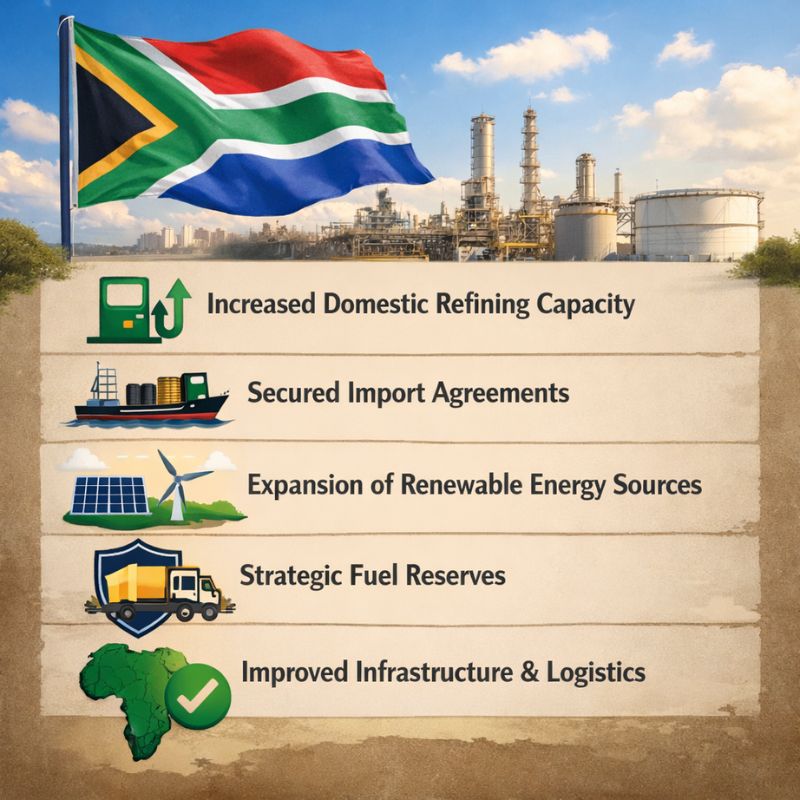
The government has already signaled its commitment to expanding local petroleum infrastructure. Minister Gwede Mantashe stressed the importance of increasing refining capacity beyond existing facilities like NATREF, Astron Energy, and Sasol Secunda.
Efforts are also underway to reform legislation to support the growth of the domestic oil and gas sector, aiming to strengthen the economy and reduce dependency on imports.
Uncertain Outlook for Fuel Stability
For now, South Africa’s ability to navigate the crisis may depend on diplomatic engagement and strategic partnerships. Iran’s offer presents a possible short-term solution, but its effectiveness remains uncertain.
As global tensions continue, the key question is whether such arrangements can help stabilize fuel prices and prevent shortages, or if the broader impact of the conflict will outweigh these temporary measures.