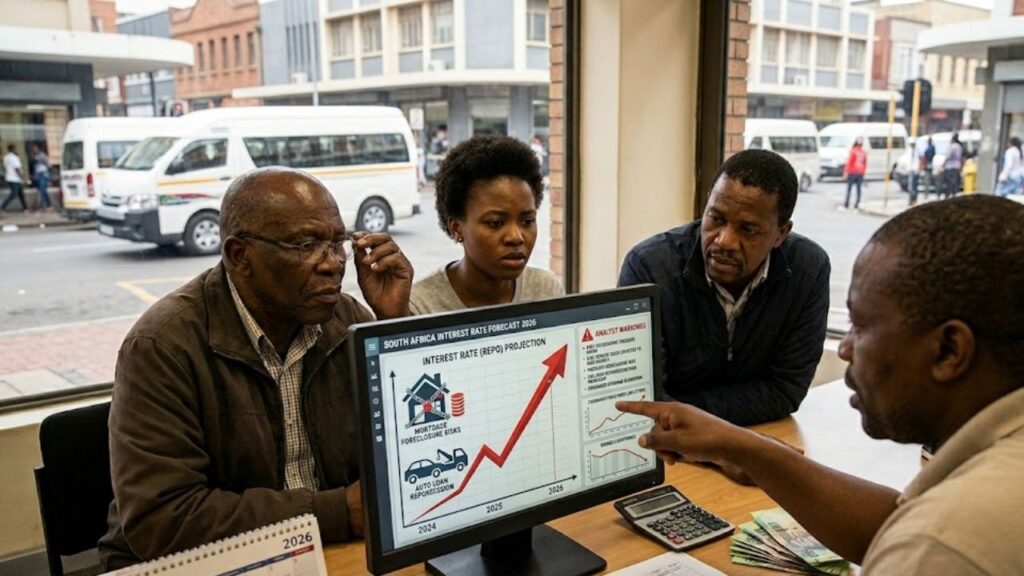
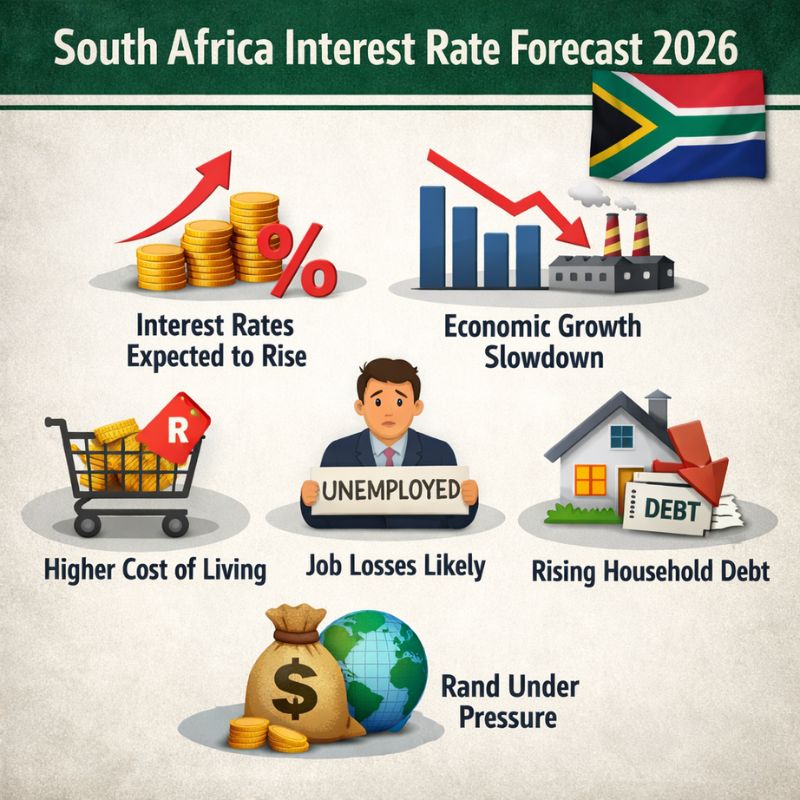
South Africa’s interest rate outlook has deteriorated sharply, with expectations shifting from possible cuts to the likelihood of rate hikes. Markets that once anticipated easing monetary policy are now preparing for tighter conditions as inflation risks resurface. This shift has been driven largely by global geopolitical tensions, particularly the escalating conflict in the Middle East, which has disrupted oil supply routes and created uncertainty across financial markets.
Earlier projections suggested that the South African Reserve Bank (SARB) could implement two to four rate cuts over the next 18 months. However, that outlook has reversed dramatically. The three-month forward rate beginning a year from now now reflects expectations of multiple rate increases instead of reductions.
Oil Prices, Rand Weakness, And Inflation Pressure
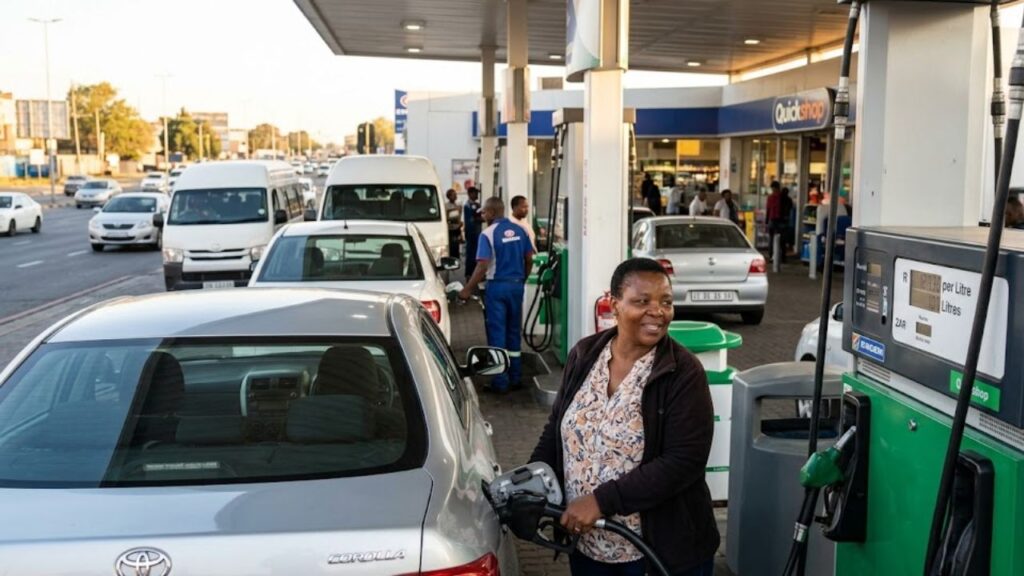
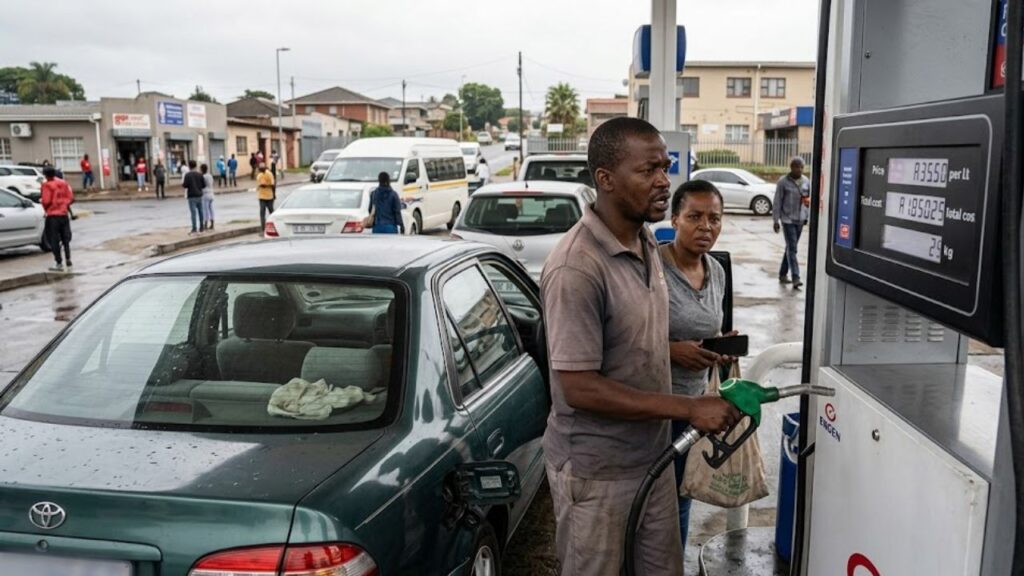
The conflict involving the United States, Israel, and Iran has significantly impacted global energy markets. Brent crude oil prices have surged by nearly 90% since the beginning of the year, while the South African rand has weakened to around R17.20 against the US dollar. These developments have increased inflation risks, especially in fuel and transport costs.

Experts warn that beyond rising prices, supply disruptions could also become a major concern. South Africa’s strategic petroleum reserves are currently estimated at only 7.7–8 million barrels, far below the 45-million-barrel capacity. This shortfall stems from earlier reserve sales that were later ruled unlawful, leaving the country vulnerable during global crises.
Additionally, domestic refining capacity has declined by roughly 50% since 2010. This has made the country increasingly dependent on imported refined fuel, limiting its ability to absorb supply shocks and increasing exposure to global price volatility.
Rising Local Costs And Economic Pressures
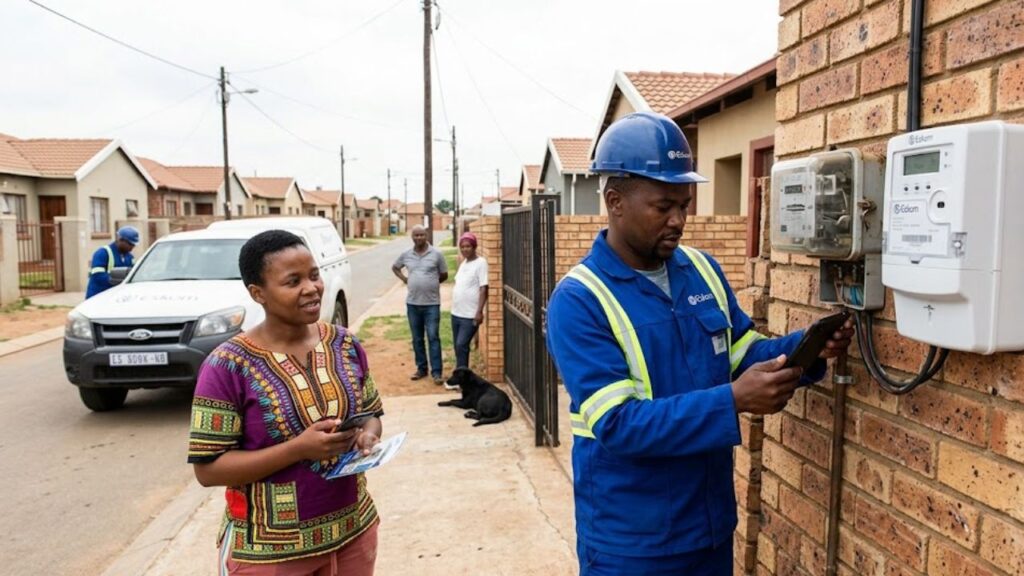
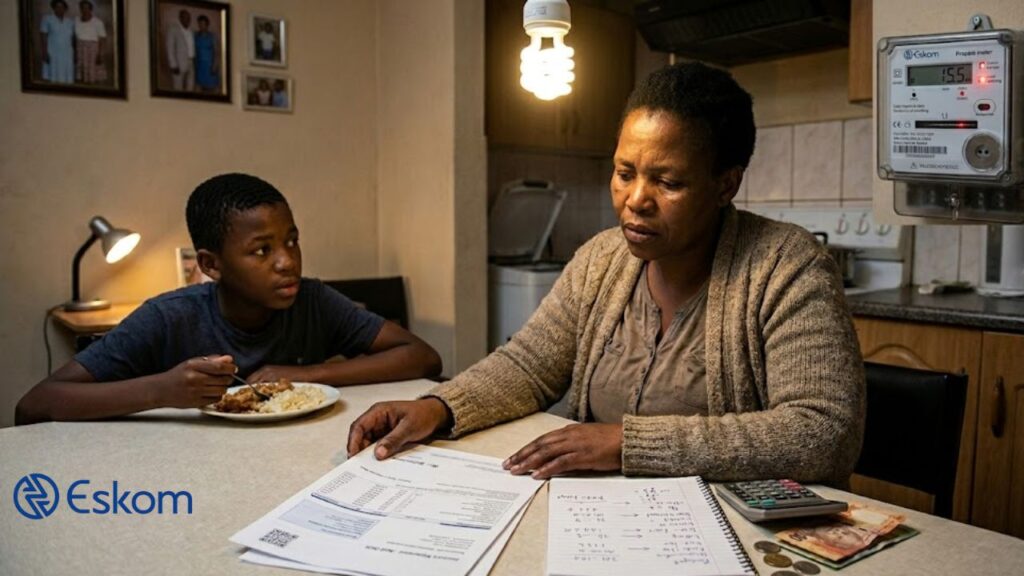
Local inflation pressures are also intensifying. Electricity tariffs have increased, with NERSA approving hikes of 8.76% for direct customers and 9.01% for municipalities. At the same time, Eskom workers are demanding a 12% wage increase, and the national minimum wage has already risen by 5% from March.
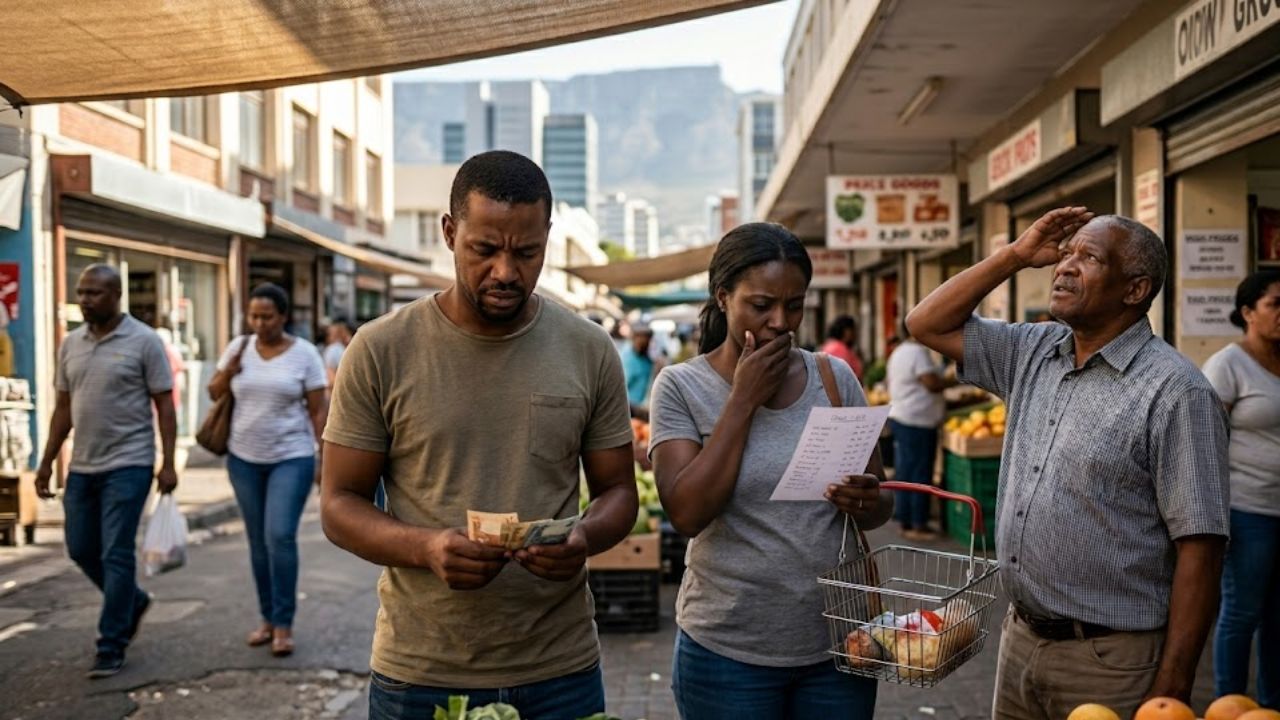
Food and fuel remain the most immediate contributors to inflation. South Africa imports over 80% of its fertiliser, making it highly sensitive to global supply disruptions and rising costs. This is expected to put additional pressure on agricultural output and food prices.
Economic growth prospects have also weakened. Gold prices have declined significantly from recent highs, tourism may slow as air travel becomes more expensive, and disruptions on key international routes could further impact the economy.

Market Shift From Rate Cuts To Hikes
The financial market outlook has changed drastically. The three-month forward rate starting a year ahead has moved from pricing in rate cuts at around 6.07% to forecasting increases up to 7.90%. This represents a shift of 183 basis points within a short period, highlighting the severity of changing expectations.
This sudden reversal reflects growing concern about persistent inflation and external risks, making it harder for policymakers to consider easing monetary policy in the near future.
Reserve Bank Likely To Hold Rates For Now
The Monetary Policy Committee (MPC) of the South African Reserve Bank faces a challenging decision environment. Despite rising inflation risks, the central bank is expected to keep the repo rate unchanged at 6.75% in its upcoming decision.
Analysts suggest that inflation forecasts will likely be revised upward in the short term, while long-term projections may still align with the 3% target. At the same time, economic growth forecasts are expected to be lowered due to rising costs and global uncertainty.
Given the unpredictable global situation, the Reserve Bank is likely to adopt a cautious “wait-and-see” approach. With uncertainty dominating the outlook, South Africa remains highly exposed to external shocks, particularly those stemming from geopolitical tensions in the Middle East.