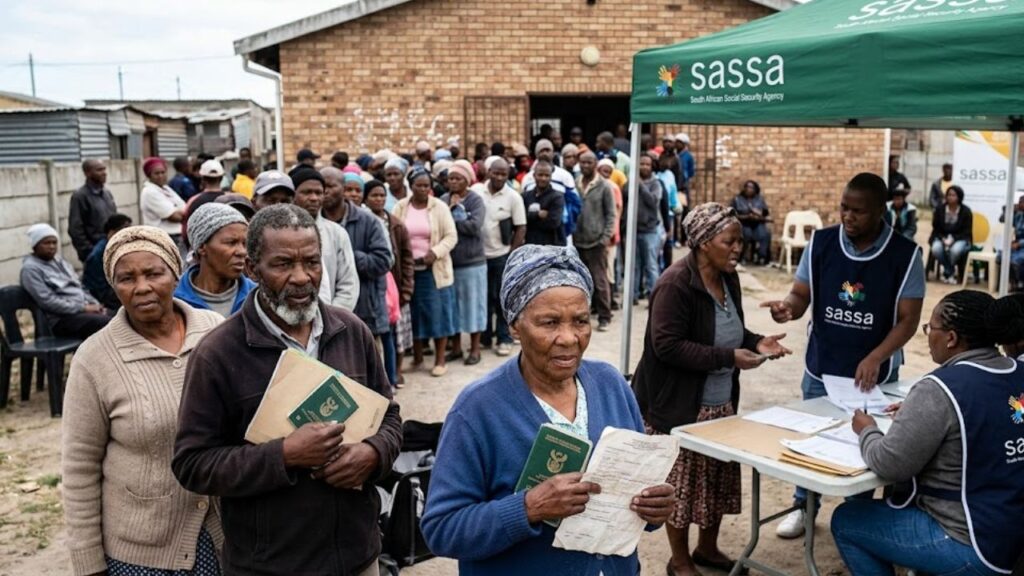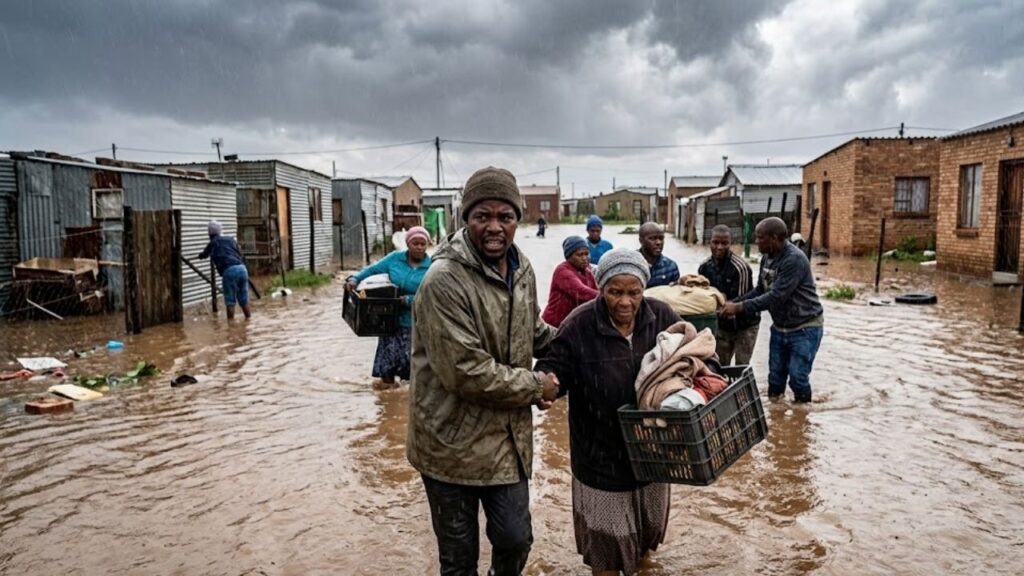
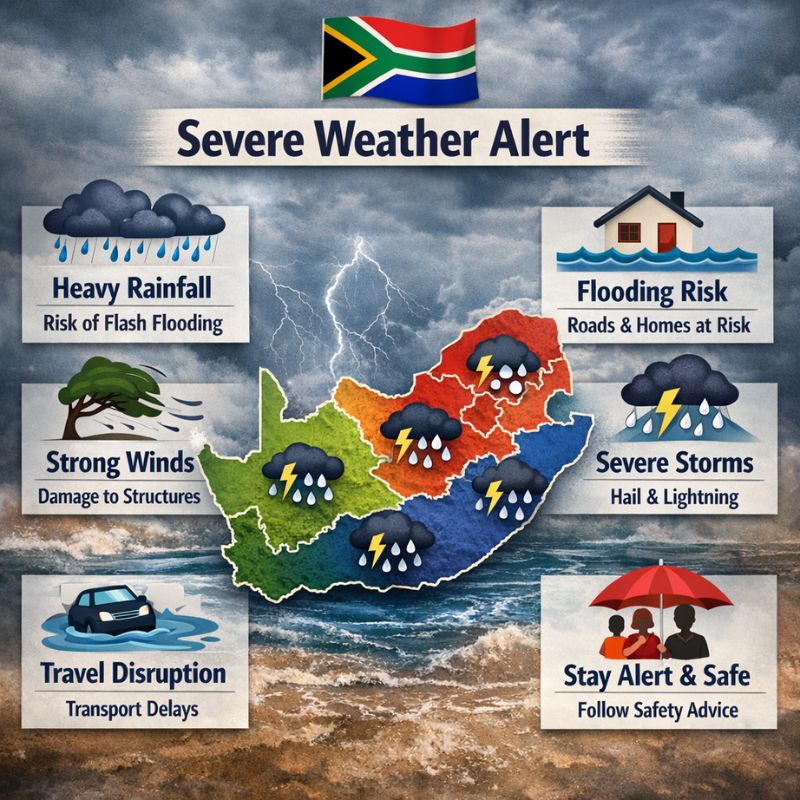
South Africa is currently on high alert as SAWS severe weather warnings have been issued across multiple provinces, signaling a heightened risk of storms and flooding. The South African Weather Service (SAWS) has urged residents to stay informed and prepared as unpredictable weather patterns intensify. From heavy rainfall to strong winds, these warnings highlight the growing impact of climate variability in the region. Authorities are closely monitoring the situation, while communities are being advised to take necessary precautions to ensure safety and minimize potential damage.
SAWS Severe Weather Alerts Impact Multiple South African Provinces
The recent SAWS severe weather alerts have affected several provinces, bringing attention to the seriousness of the situation. Regions are experiencing heavy rainfall warnings alongside flood risk zones, increasing concern among residents. Emergency services are on standby as storm surge alerts and strong wind gusts threaten infrastructure and daily life. These conditions can disrupt transportation damage property, and pose safety risks. Authorities are encouraging people to avoid unnecessary travel and remain updated through official channels to respond quickly to any changes in the weather.
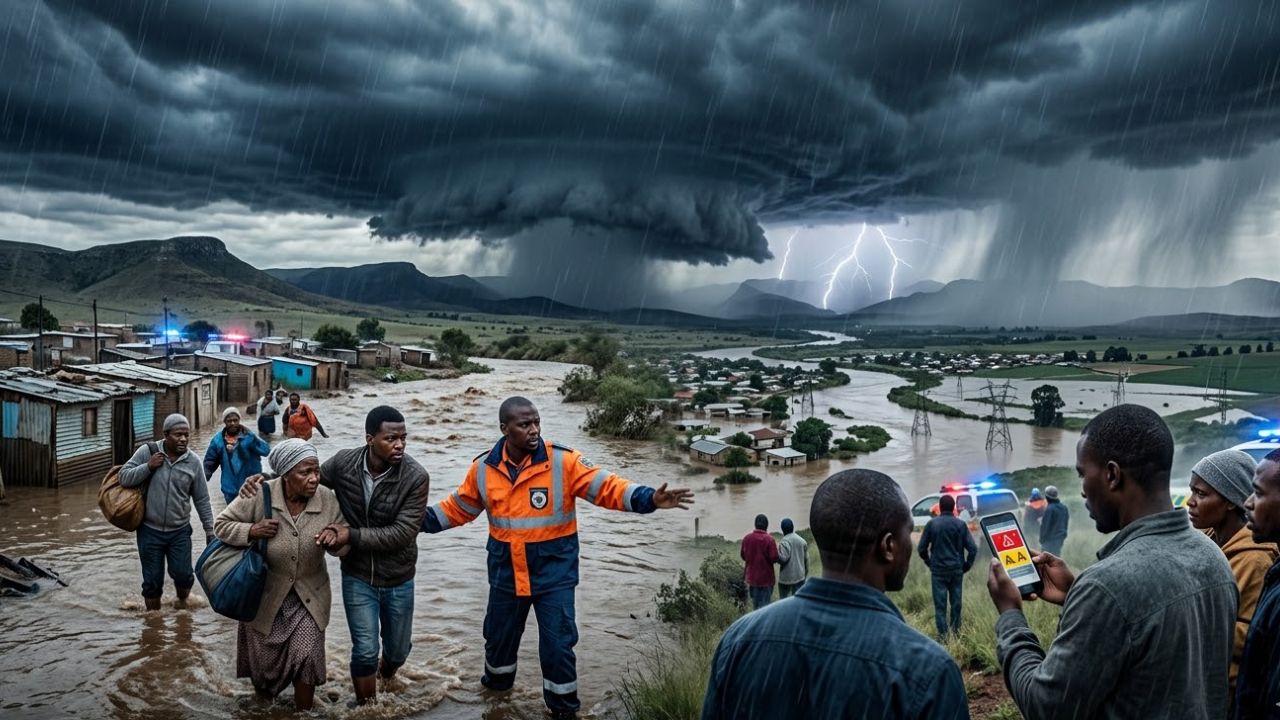
Understanding SAWS Weather Warnings and Safety Measures
Understanding how SAWS weather warnings work is crucial for public safety. The alerts are categorized based on severity, helping citizens prepare for extreme weather conditions and rapid weather changes. Residents are advised to secure loose items, prepare emergency kits, and stay indoors during severe thunderstorm warnings. Additionally, following public safety guidelines can significantly reduce risks. Local municipalities are also coordinating with disaster management teams to ensure timely responses especially in vulnerable areas where flooding and storm damage are more likely.

Flood and Storm Threats Raise Concerns Across South Africa
The increasing frequency of floods and storms has raised serious concerns about long term climate resilience in South Africa. Experts point to rising water levels and urban drainage issues as key factors worsening flood impacts. Communities living in low lying areas are particularly vulnerable, especially during prolonged rainfall. Meanwhile, infrastructure damage risks continue to grow, affecting roads, homes, and essential services. These developments highlight the urgent need for improved planning, better drainage systems, and increased public awareness to handle future weather challenges effectively.
Summary and Ongoing Weather Outlook
As SAWS continues to monitor evolving weather patterns, South Africans are urged to remain vigilant and proactive. The current alerts emphasize the importance of early warning systems and staying connected with official updates. While emergency teams are prepared, individual preparedness plays a key role in minimizing harm. With weather monitoring updates becoming more frequent, people can make informed decisions during uncertain conditions. Ultimately, strengthening community preparedness plans and improving response strategies will help reduce the impact of future storms and floods across the country.
| Province | Weather Threat | Alert Level | Recommended Action |
|---|---|---|---|
| Gauteng | Heavy Rainfall | High | Avoid travel |
| KwaZulu-Natal | Flooding | Severe | Move to safe areas |
| Western Cape | Strong Winds | Moderate | Secure property |
| Eastern Cape | Thunderstorms | High | Stay indoors |
| Limpopo | Flash Floods | Severe | Evacuate if needed |
Frequently Asked Questions (FAQs)
1. What does SAWS severe weather warning mean?
It indicates potentially dangerous weather conditions that may impact safety and property.
2. Which areas are most affected in South Africa?

Provinces like KwaZulu-Natal Gauteng, and Eastern Cape are currently at higher risk.
3. How can residents stay safe during these warnings?
By following official updates, avoiding travel, and preparing emergency supplies.
4. Are these weather events becoming more frequent?
Yes changing climate patterns are contributing to more frequent severe weather events.