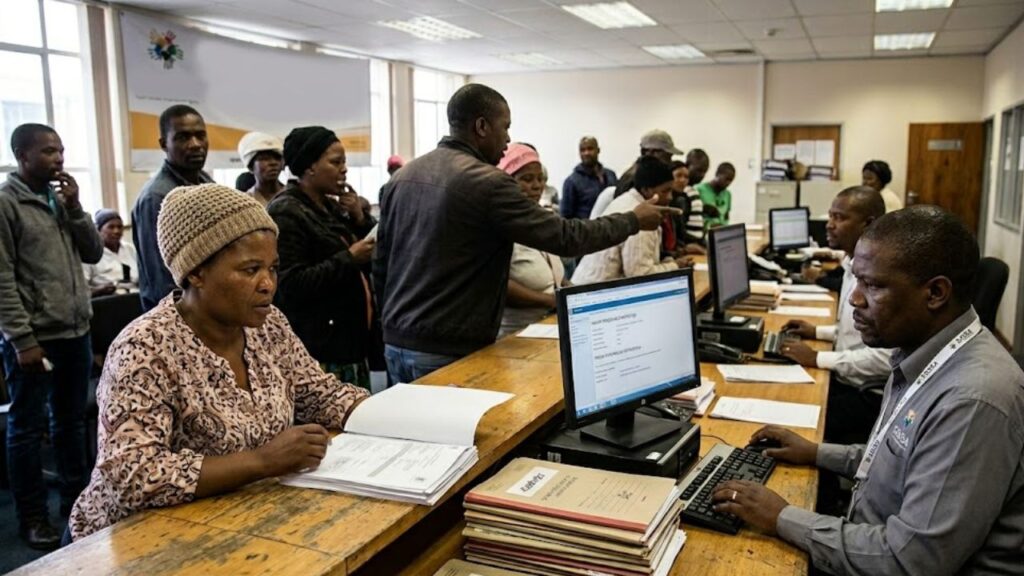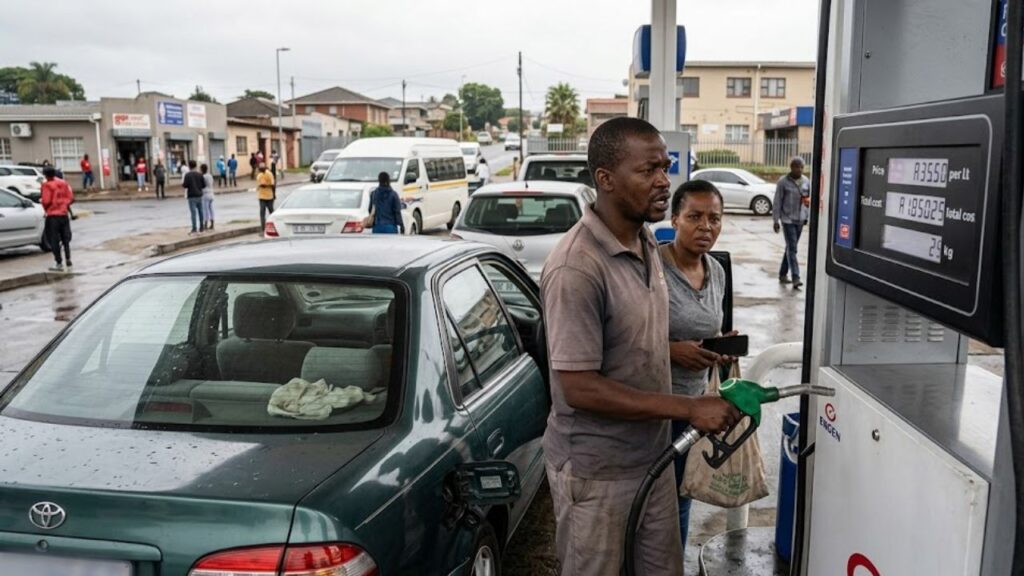
South Africans will soon experience a catastrophic, record-breaking fuel increase that goes well beyond the forecourt in April. Not only does the price of gasoline and diesel increase by nearly R4 and R6 per liter, respectively, in April, but it also directly affects the cost of food, transportation, and nearly every other necessity in your monthly budget. This situation is expected to create serious pressure on households and force many families to rethink their monthly spending habits in order to survive.
This pattern has been observed before: fuel prices rise, inflation follows, and households that were already struggling suddenly find themselves in a difficult situation. Nowadays, a lot of customers attempt to “bridge the gap” with credit, which is where the true risk is. In many cases, this leads to long-term financial stress and makes it harder for families to recover once the economic situation stabilizes.
You may not be able to afford credit just because you are eligible for it. When things get tight, there’s a big difference between what a lender says you can afford and what your budget can actually support. Too many people base their financial plans on the idea of a “good month,” and when expenses rise like this, those plans fall apart. Before the full effects become apparent, consumers must change their financial behavior from reactive to defensive and focus on long-term stability instead of short-term relief.

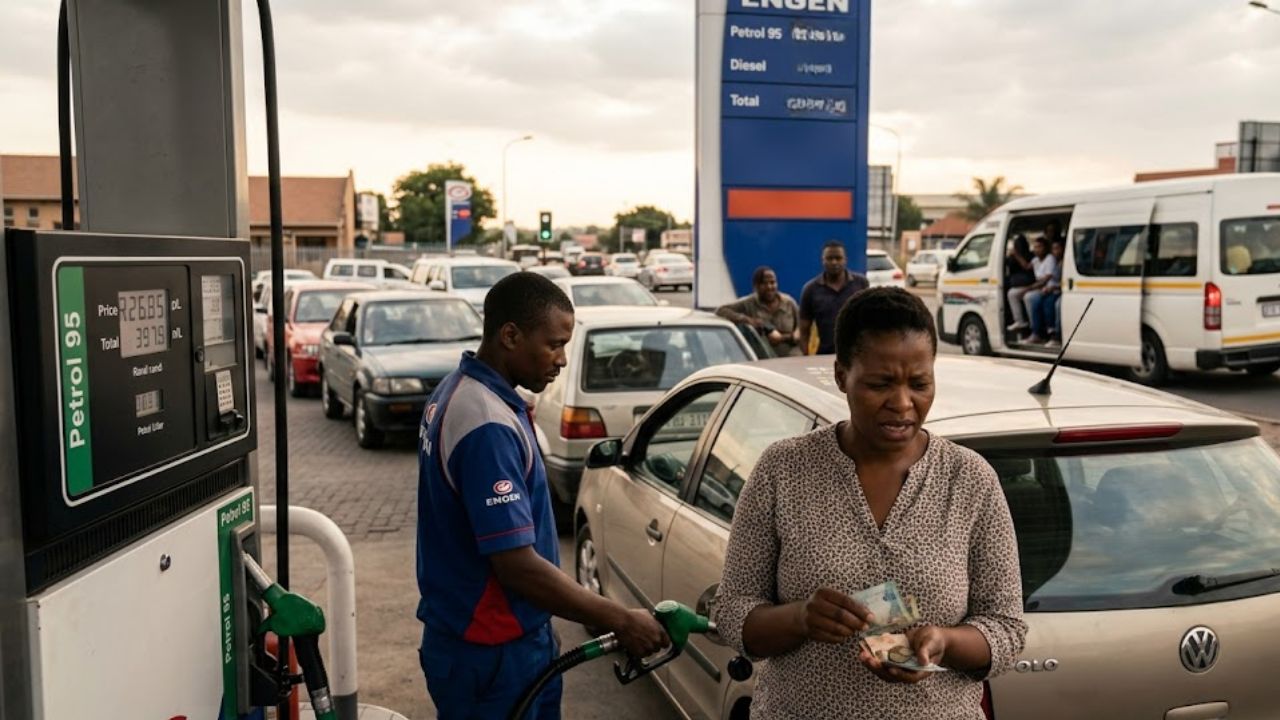
Useful advice for customers:
1. Reconsider affordability
Customers need to understand the difference between bank and real-world affordability. Banks base their assessments on current earnings and outlays. However, true affordability raises the question of what would happen if interest rates, food prices, or fuel prices moved against me. Even if your application has been accepted, you are already overcommitted if there is no room for expansion in your budget. Taking on new debt to support your lifestyle is not the right decision at this time. Store accounts, personal loans, and car upgrades fall under this category. Using credit to cover growing living expenses only delays and exacerbates the crisis and increases financial dependency.
2. Include a “shock buffer” in your spending plan
Even a tiny margin should be actively created by consumers. Redirect discretionary spending into a buffer by cutting it now. Fuel shocks usually occur in waves rather than all at once. Building a buffer ensures that unexpected increases do not immediately disrupt your entire financial structure and helps maintain control over essential expenses.
3. Whenever feasible, actively lower transportation expenses
Fuel is now a risk area that can be controlled. Over the course of a month, carpooling, combining travel, working from home whenever feasible, or even reconsidering the logistics of work and school can have a significant impact. Small adjustments in daily travel behavior can result in noticeable savings over time.

4. Examine your financial situation.
One easy exercise is to ask yourself, “What breaks in my budget if fuel increases by another R2 and food increases by 10%?” You must make the necessary adjustments right away if the response is, “I’d need credit.” This kind of proactive thinking helps identify weak points in your financial plan before they become serious problems.
5. Focus on essential spending
At times of economic uncertainty, it is important to prioritize essential expenses such as food, housing, and transportation. Cutting down on non-essential purchases can help maintain financial balance and reduce unnecessary pressure on your income. This approach allows households to stay prepared for any further increases in living costs.
6. Avoid unnecessary financial commitments
Consumers should avoid making long-term financial commitments during uncertain periods. Large purchases, new loans, or luxury spending can create additional burden and limit flexibility. Maintaining a cautious approach ensures better financial control and reduces the risk of falling into debt cycles.
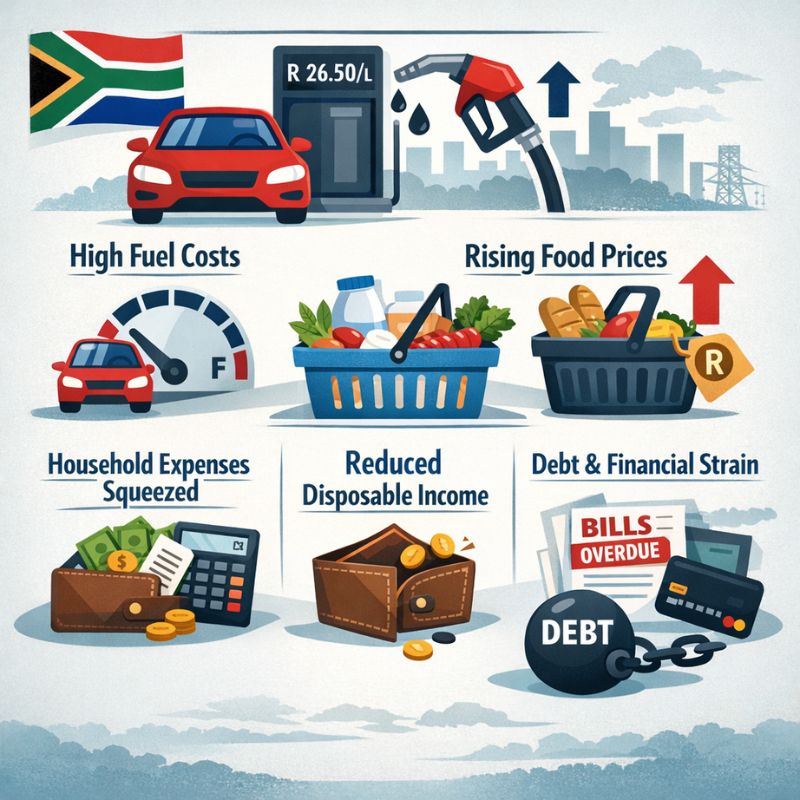
Small financial choices made over the next two to three months will determine whether households remain stable or begin to accrue debt. Careful planning, disciplined spending, and awareness of financial risks will play a key role in navigating this challenging period successfully.