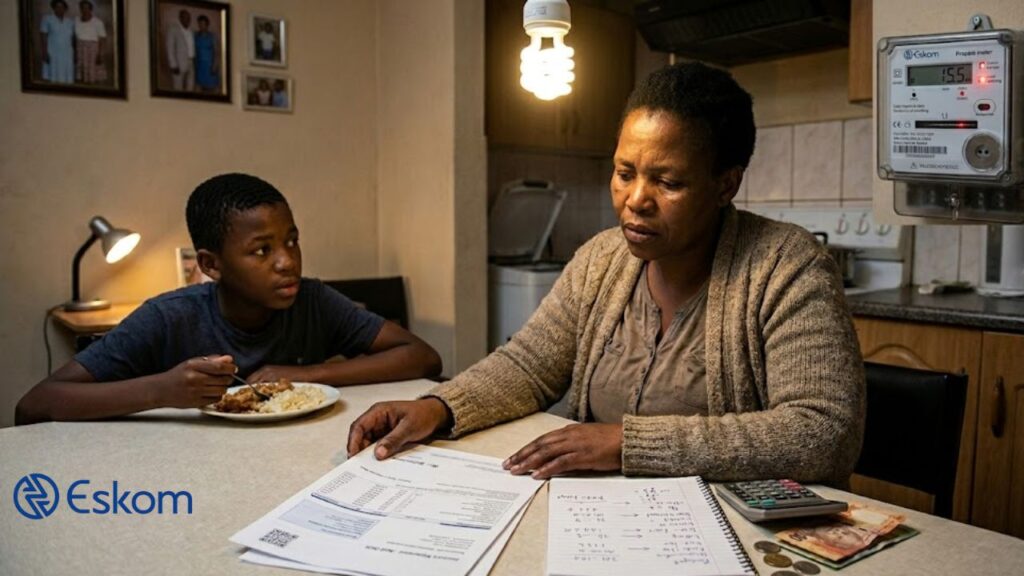
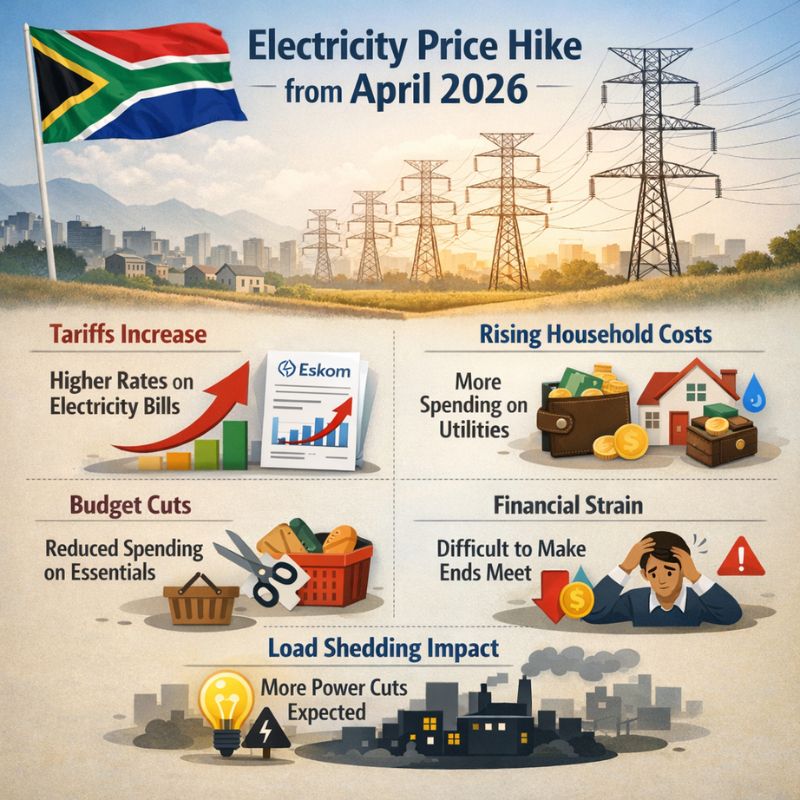
Following Nersa’s approval of another tariff increase, South Africans are preparing for higher electricity bills. This significant price adjustment is expected to influence monthly household expenses widely across the country, especially in urban regions where electricity consumption is typically higher.
Rising living expenses are already causing households and businesses to struggle, which raises questions about affordability. Consumers are feeling pressure due to increasing food, fuel, and utility cost burdens simultaneously, making financial planning more difficult for many families.
However, energy experts caution that Eskom might find it difficult to maintain the grid in the absence of higher tariffs. Reliable electricity infrastructure depends heavily on sufficient revenue, ensuring stable power supply for industries and homes alike across the nation.

The University of Johannesburg’s Hartmut Winkler described the decision’s balancing act. He highlighted the challenge of maintaining sustainability while protecting consumers from excessive financial strain in difficult economic conditions.
Everything will cost a little more as a result. Eskom has persuaded the regulator that this is necessary for them to cover their expenses, despite the fact that the public and nearly everyone else but Eskom have been pleading with them not to do this to us. We are practically done lurching when one considers what their expenses actually amount to.
Impact on Households and Daily Life
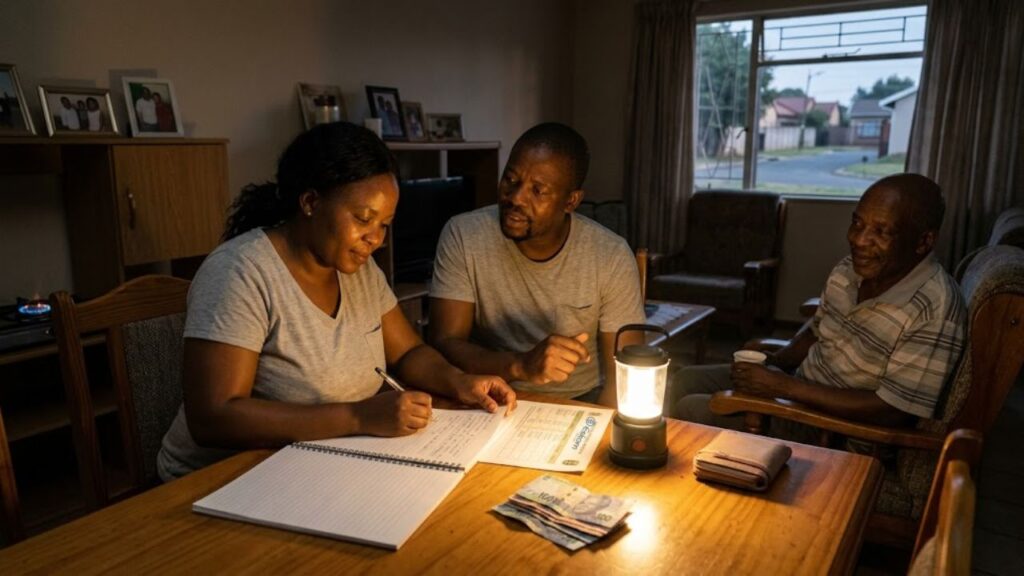
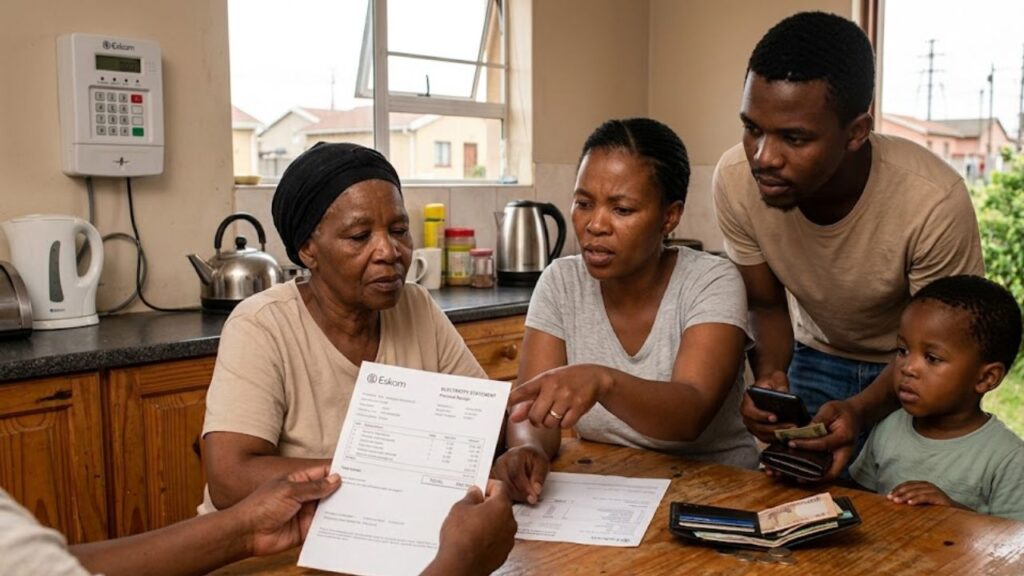
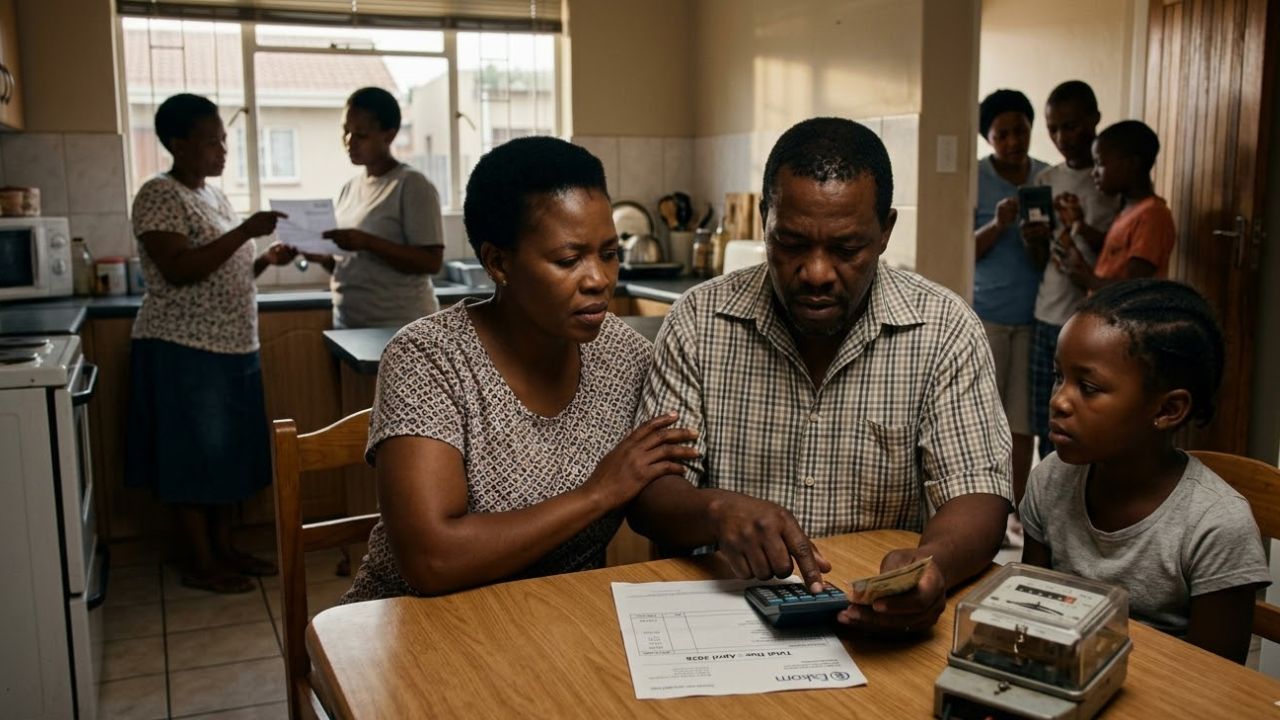
Electricity price increases have a direct impact on daily household spending patterns, forcing families to rethink their monthly budgeting strategies carefully. Higher utility bills reduce disposable income, leaving less money for education, healthcare, and savings in the long term.
Low-income households face the greatest difficulty as they already allocate large portions of their income toward basic essential services and utilities. Energy poverty risks may rise, leading to reduced electricity usage and compromised living conditions for vulnerable communities.
Effects on Businesses and Economy
Businesses across various sectors are also expected to experience increased operational costs significantly. Manufacturing and service industries rely heavily on electricity, making cost management more challenging as tariffs continue to rise steadily.
Small and medium enterprises may struggle the most, as they often operate on tight margins and have limited capacity to absorb rising energy expenses. This could lead to higher product prices and reduced economic competitiveness in both local and global markets.
Energy Sector Sustainability Challenges
Maintaining energy infrastructure requires continuous investment in maintenance, upgrades, and expansion. Without adequate funding support, Eskom may face difficulties in ensuring uninterrupted power supply and reducing the frequency of outages.

Energy experts emphasize the need for long-term planning and efficient resource allocation strategies. Modernizing the electricity grid and improving operational efficiency remain critical priorities for achieving long-term sustainability goals.
Future Outlook and Possible Solutions
The future of electricity pricing will depend on policy decisions and regulatory frameworks adopted by authorities. Investments in renewable energy sources such as solar and wind could help stabilize costs and reduce dependence on traditional power systems.
Government intervention may include targeted subsidies and consumer protection measures to ease financial pressure. Encouraging energy efficiency practices among consumers can also reduce overall electricity demand and promote sustainable usage habits.
Public Response and Social Impact
Public reaction to tariff hikes has been largely critical, with many citizens expressing frustration over rising costs and limited income growth opportunities. Community organizations and advocacy groups are actively voicing concerns about economic inequality and affordability.
Social challenges may intensify as more households struggle to keep up with basic living expenses consistently. This could increase financial stress and reduce overall quality of life, especially among economically vulnerable populations across the country.
Role of Renewable Energy Alternatives
Renewable energy solutions are gaining attention as viable alternatives to traditional electricity supply systems. Solar panel installations and independent power generation methods are becoming more popular among consumers seeking cost control.
Adopting cleaner energy technologies not only reduces dependence on national power providers significantly but also contributes to environmental sustainability and efficiency. Government incentives for renewables could further accelerate adoption rates nationwide.