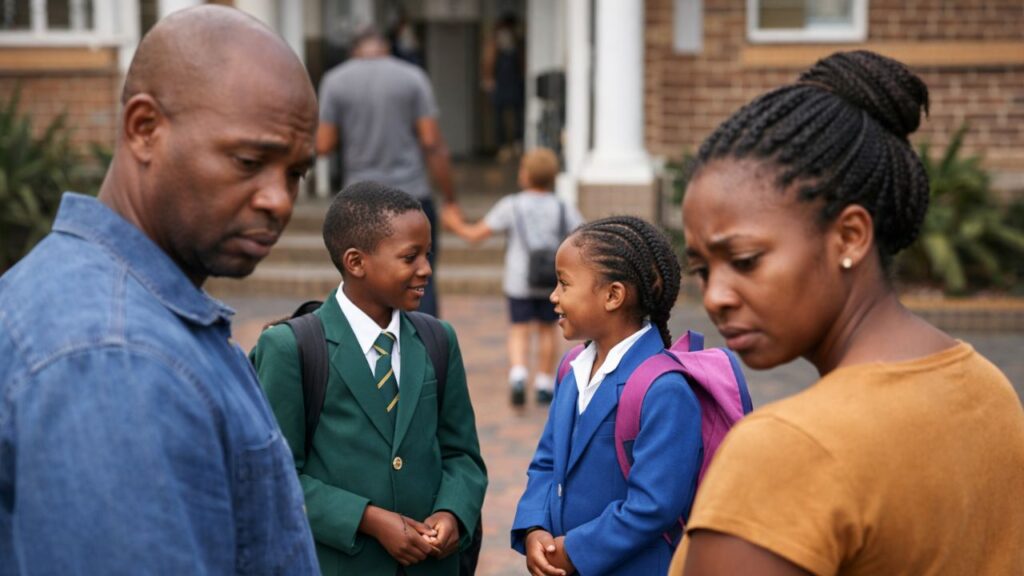
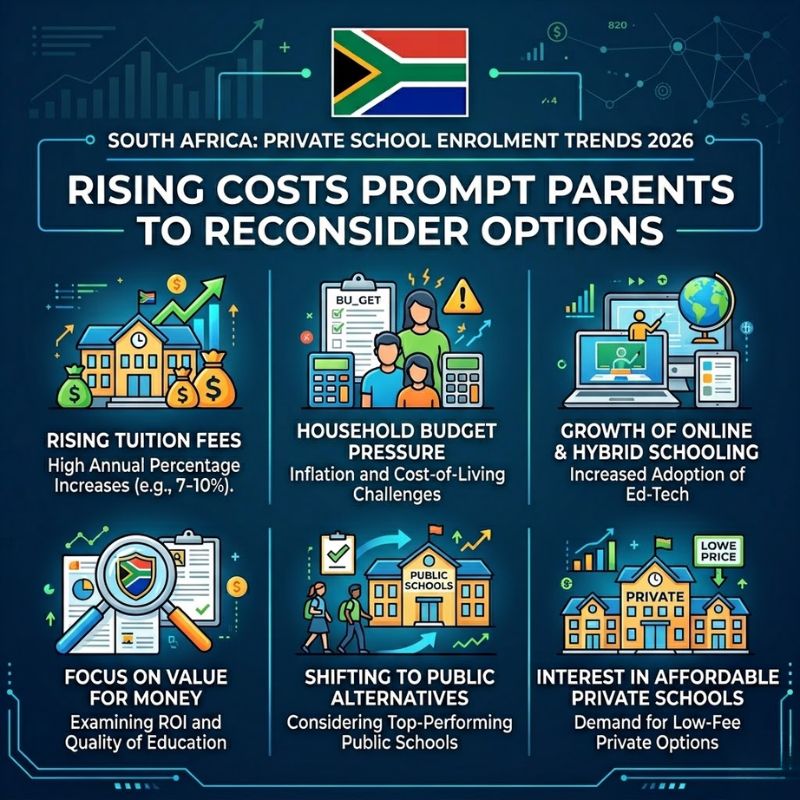
Across South Africa, a growing number of parents are pulling their children out of private schools as fees continue to rise sharply many families are now turning to homeschooling as a more affordable and flexible alternative. Private education has become increasingly expensive placing significant pressure on household budgets.At some of the country’s leading private schools, annual fees can reach up to R130,000 for pre-school and Grade R alone. By the time learners reach matric, costs can exceed R350,000 per year, making private education out of reach for many South African families.
Rising Costs And Challenges In Traditional Schooling
The financial strain of private schooling is not the only concern. Public schools are also facing serious challenges including overcrowded classrooms, shortages of teachers, and ongoing placement issues. These factors have contributed to a growing dissatisfaction with the traditional education system.
Wynand van Heerden, CEO of tutoring and homeschooling provider Edify, noted that more parents are actively moving away from conventional schooling options. He stated that homeschooling is steadily increasing across South Africa as families search for better and more cost-effective education solutions.

Homeschooling Growth Trends In South Africa
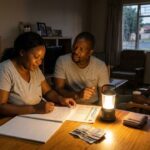
Homeschooling has seen consistent growth over the years. In 2017, approximately 100,000 learners were being homeschooled. However, more recent insights suggest that the number has grown significantly especially after the COVID-19 pandemic changed how education is delivered.
A report from the University of Limpopo’s Learning Society Institute estimated that over 300,000 learners were being homeschooled by 2023. With around 13 million school-age children in South Africa, this represents roughly 2% of learners, mainly concentrated in Gauteng and the Western Cape.
Why Parents Are Choosing Homeschooling
According to Edify, there are several key reasons behind this shift. Firstly, homeschooling offers flexibility for students involved in demanding sports or cultural activities, allowing them to manage their time more effectively. Secondly, it provides a personalised learning environment for children who struggle to adapt to mainstream schooling.
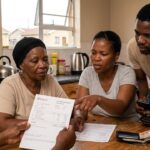
Another major concern for parents is the national curriculum and recent policy changes, including the Basic Education Laws Amendment Act (BELA). The legislation has raised concerns about language policies, school admissions, and potential overcrowding due to compulsory Grade R.
Modern Learning And Future Skills Focus
Gemay van Heerden, COO of Edify, highlighted that homeschooling allows parents to introduce modern subjects such as artificial intelligence and digital skills. As the world evolves rapidly, many parents believe traditional schooling systems are not keeping pace with global changes.
Homeschooling provides the flexibility to tailor education to each child’s needs and interests, helping them develop relevant skills for the future. However, experts also stress that effective homeschooling often requires structured support rather than relying on a single tutor or parent-led teaching alone.
Key Differences Between Schooling Options
| Factor | Private Schools | Public Schools | Homeschooling |
|---|---|---|---|
| Cost | Very High (up to R350,000/year) | Low to Moderate | Flexible and Often Lower |
| Class Size | Moderate | Overcrowded | Individualised Learning |
| Flexibility | Limited | Limited | Highly Flexible |
| Curriculum Control | School Controlled | Government Controlled | Parent/Provider Controlled |
| Future Skills Focus | Moderate | Limited | High (Customised Learning) |