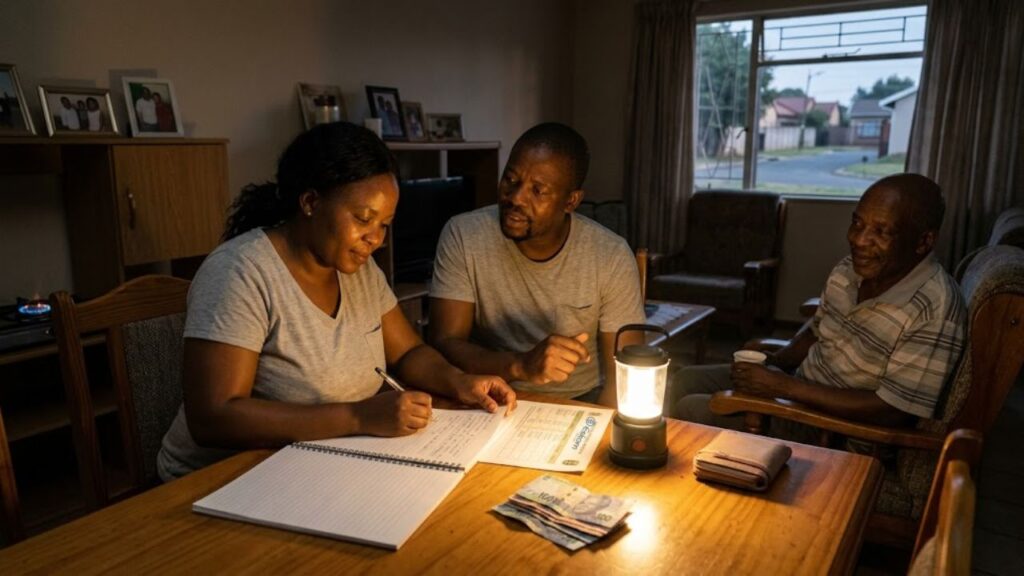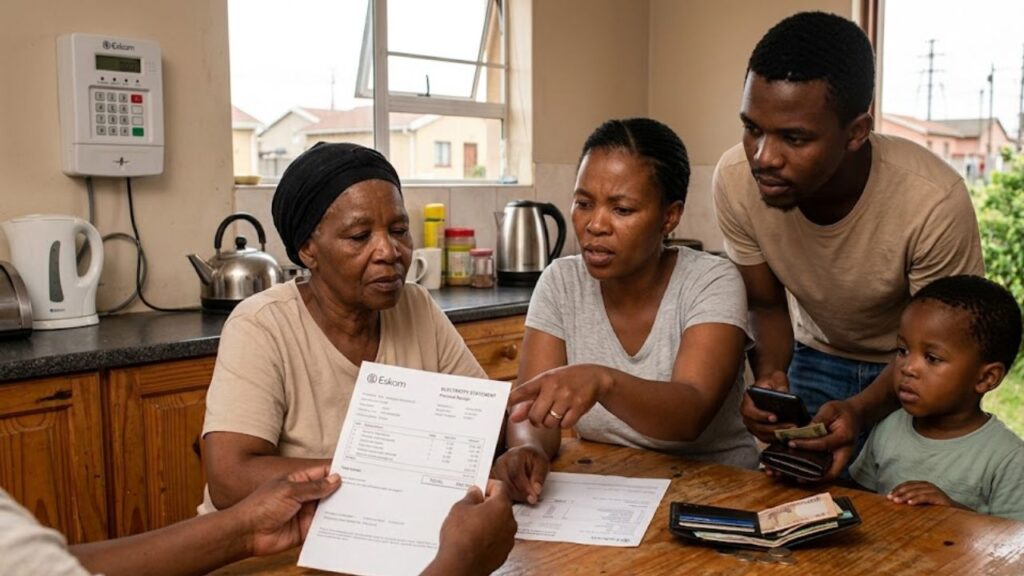
South Africa’s power utility, Eskom, has announced in its latest system update that it is progressing with a phased plan aimed at eliminating load reduction by 2027. This strategy is built around a nationwide rollout of smart meters, which is already showing measurable progress. The utility highlighted that it has successfully avoided load shedding for a record 308 consecutive days, crediting the improvement to its Generation Recovery Plan and stronger power station performance.
Despite these gains, load reduction is still being applied in high-risk areas affected by illegal connections and infrastructure damage. Eskom emphasised that this remains a temporary measure while long-term solutions are implemented to stabilise supply and protect the network.
Smart Meter Programme Targets High-Risk Areas
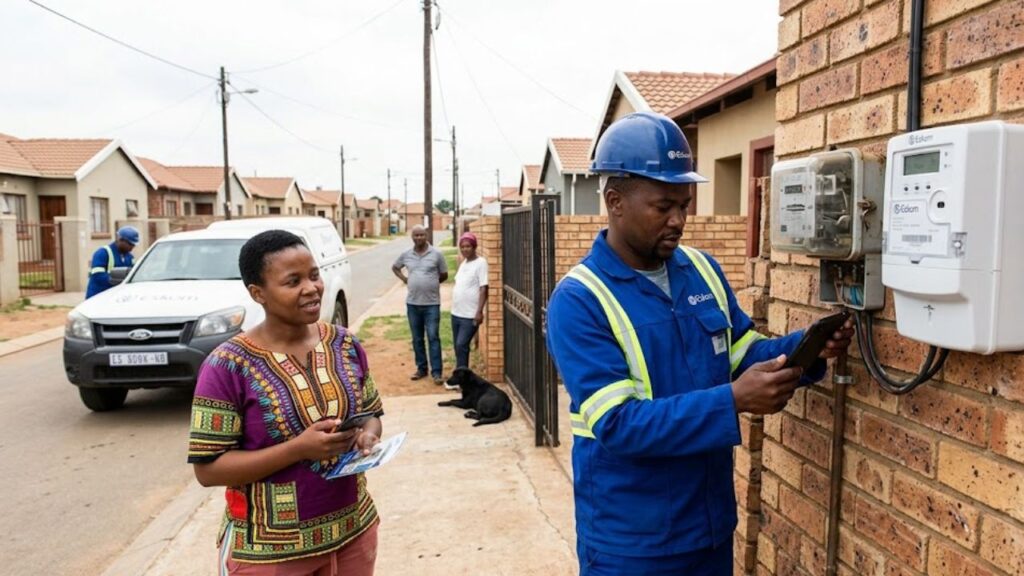
Eskom’s approach involves a multi-layered plan focusing on 971 feeders and aims to benefit approximately 1.69 million customers. A key component is the installation of smart meters, which allow the utility to remotely manage non-paying users instead of applying blanket load reduction that affects paying customers.

Electricity and Energy Minister Kgosientsho Ramokgopa previously stated that one of the biggest concerns from the public is that law-abiding customers are penalised alongside illegal users. Smart meter technology, he said, allows Eskom to isolate those who do not pay, ensuring compliant users are not unfairly impacted.
The scale of electricity theft remains a major issue. In KwaZulu-Natal alone, Eskom is losing around R6 billion annually, with roughly half of its 1.2 million customers involved in illegal connections. In areas like Pietermaritzburg, reports indicate that up to 90% of residents are not paying for electricity.
Rollout Progress, Challenges And Future Targets
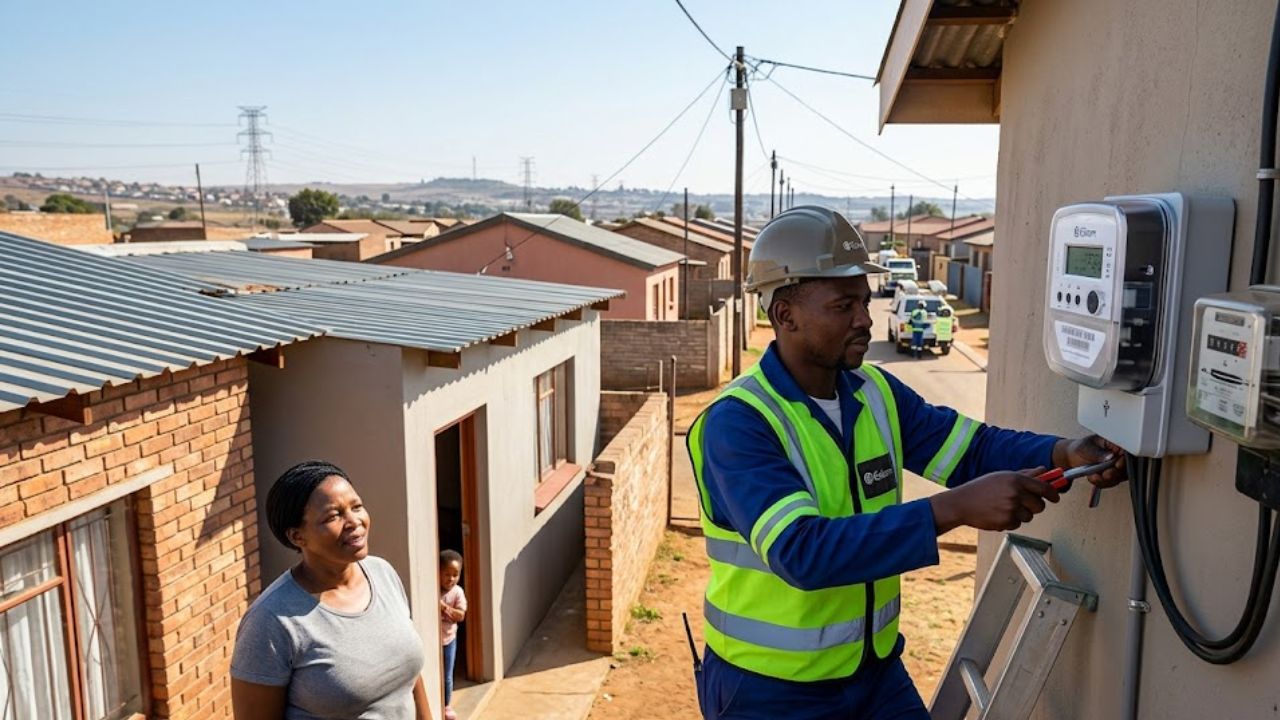
So far, Eskom has installed 470,134 smart meters nationwide, including 183,956 on load reduction feeders. This rollout has already enabled 157 feeders to be removed from load reduction, benefiting an estimated 208,819 customers. Most installations are concentrated in high-risk provinces such as Gauteng, Mpumalanga, Limpopo, and KwaZulu-Natal.
The next phase includes the planned installation of 577,347 additional smart meters on high-risk feeders, with full rollout expected by 2027 and initial targets set for completion by March 2026. However, progress has been slowed by challenges on the ground. Eskom reported that installation teams are facing resistance, including intimidation, violence, and repeated work stoppages, which have delayed around 122,000 planned meter conversions.

Criticism has also emerged regarding Eskom’s strategy. Some stakeholders argue that increasing electricity generation capacity should be prioritised over deploying new technology. Despite this, Eskom maintains that smart meters are essential for building a more efficient and connected energy system.
Benefits Of Smart Meters And Public Cooperation Needed
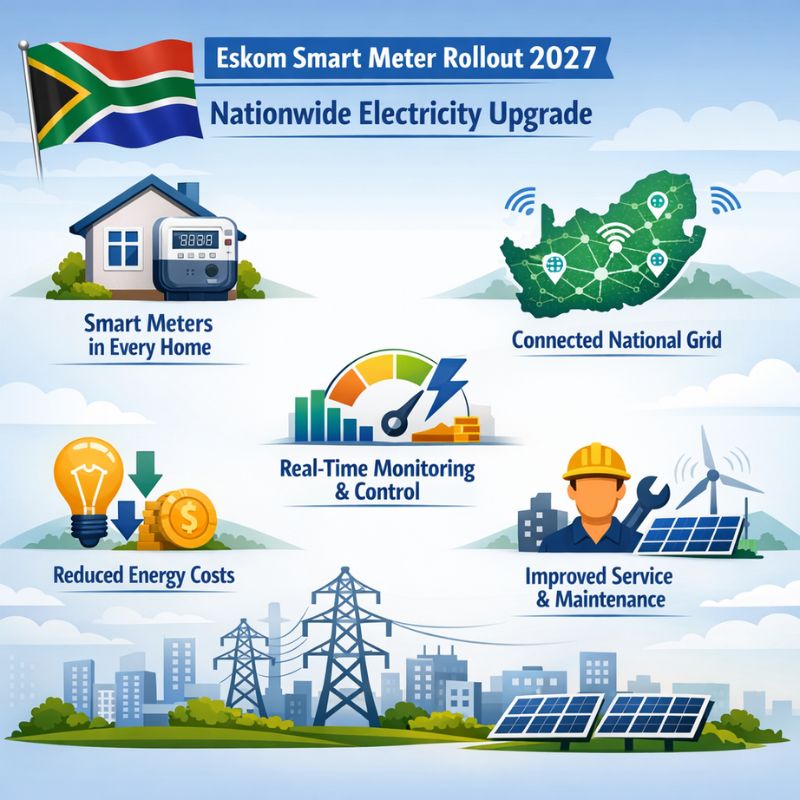
According to Eskom, smart meters provide users with real-time monitoring, better control over electricity usage, and access to programmes such as Demand Response incentives. The technology also supports improved delivery of Free Basic Electricity (FBE), enabling qualifying households to receive their 50 kWh monthly allocation upfront.
Currently, only 582,110 customers are registered for FBE, representing about 28% of the 2.1 million eligible households. Eskom believes that expanding smart meter coverage will improve access and efficiency in distributing these benefits.
As the rollout continues, Eskom is calling on communities to support the initiative by reporting illegal connections, using electricity responsibly, and helping to protect critical infrastructure. The utility stressed that public cooperation will play a crucial role in achieving its goal of ending load reduction in the coming years.