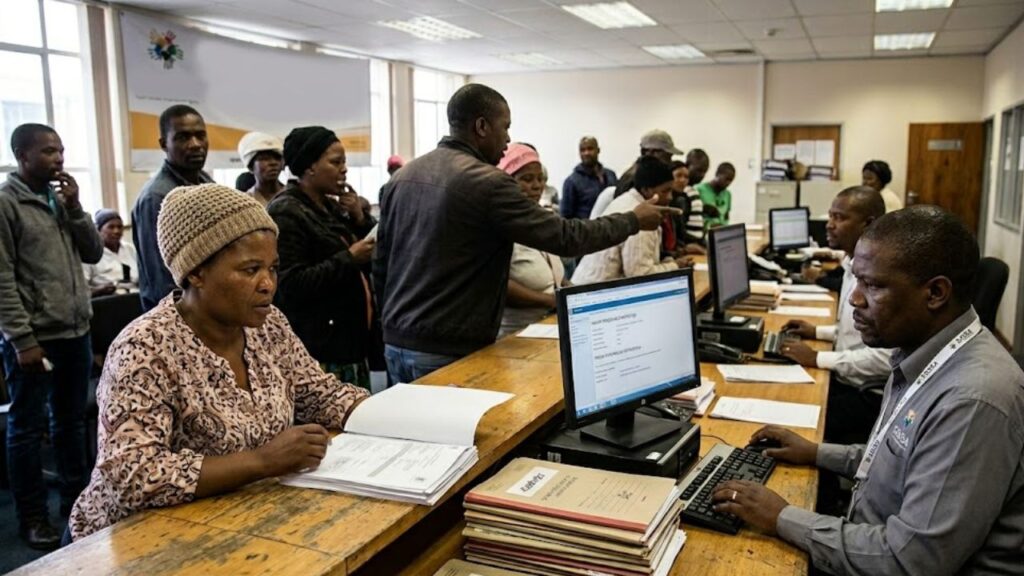
The South African government is significantly ramping up its efforts to combat fraud at the South African Social Security Agency (SASSA). With social grants being an essential support mechanism for millions of South Africans, ensuring their integrity has become a top priority. The government has implemented a variety of measures to reduce fraud, including advanced technological upgrades to verification systems and improved checks to ensure the fairness of the grant distribution process.
As part of this broader strategy, SASSA has upgraded its income verification and biometric systems to improve the accuracy and efficiency of beneficiary authentication. These upgrades were implemented to address the growing concern about fraudulent claims and improper access to government funds meant for the country’s vulnerable citizens. Fraudulent beneficiaries, who misrepresent their income or identity to qualify for grants, have been a persistent problem, leading to an ongoing drain on public resources.
In an effort to combat these practices, SASSA has now focused on detecting and eliminating fraudulent grant recipients. This initiative has led to the termination of nearly 35,000 grants that were deemed to be fraudulent or issued based on incorrect information. By carefully auditing its records and utilizing new biometric and income verification technologies, SASSA is able to ensure that only those who meet the proper criteria for receiving grants are benefiting from these resources.

The decision to implement these upgrades came after a series of audits and investigations highlighted significant gaps in the verification processes. These issues became especially apparent when the Finance Minister, Enoch Godongwana, presented the 2026 Budget Speech on Monday, where he announced these improvements. Godongwana revealed that these new measures would help save the government an estimated R3 billion annually, which would otherwise have been lost to fraud. This money is now being redirected to ensure that deserving South Africans continue to receive support.
One of the most significant components of this effort is the use of biometric technology, which has become a cornerstone of the government’s fraud detection and prevention program. The biometric systems implemented by SASSA allow for the more accurate identification of individuals applying for social grants. These systems use unique identifiers, such as fingerprints, to ensure that applicants are who they claim to be. This technology drastically reduces the risk of fraudulent individuals impersonating legitimate beneficiaries.
Additionally, the income verification system has been enhanced, ensuring that applicants’ income levels are accurately assessed and aligned with the eligibility criteria for various social grants. The integration of modern technology in these areas has made the process more streamlined and effective, allowing SASSA to focus its efforts on investigating suspicious cases of fraud while ensuring that those truly in need continue to receive their rightful grants.
Another important aspect of these efforts is the government’s clear message that abuse of the system will not be tolerated. Minister Godongwana emphasized that while the government recognizes the need for social support systems to aid those facing financial hardships, there is no place for fraudulent behavior. He stated, “Abuse of the system will not be tolerated,” underscoring the government’s firm stance against fraud and misuse of public funds.
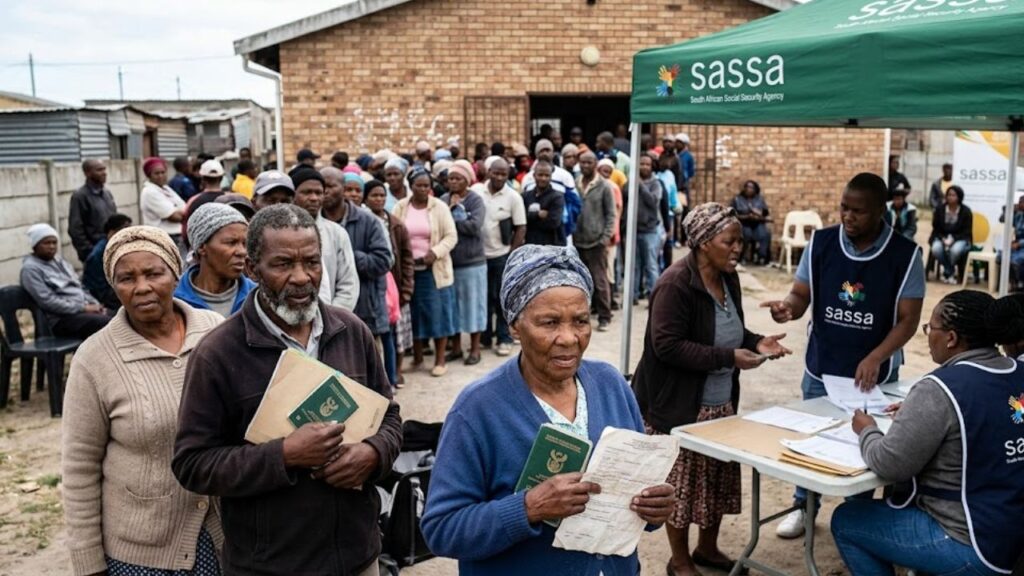
These new measures are a part of a larger strategy to increase transparency and accountability within South Africa’s social security system. With over 18 million South Africans relying on social grants, SASSA’s role in ensuring the proper distribution of resources is critical. The government’s investment in improving the integrity of the grant process is expected to have long-term positive effects on both the public sector and beneficiaries. By reducing fraud, these resources can be better allocated to those in need, ensuring that vulnerable groups, such as the elderly, disabled, and children, continue to receive the necessary financial assistance.
While the measures to fight fraud are essential, the government is also committed to enhancing the overall efficiency of the SASSA system. This includes simplifying application processes, increasing awareness about the eligibility criteria for grants, and providing clear guidelines for beneficiaries to follow. Minister Godongwana emphasized the importance of making these systems user-friendly so that legitimate applicants are not deterred by bureaucratic hurdles.
In addition to focusing on technology, the government is also working on increasing public awareness about the importance of reporting fraud. Through various community outreach programs, South Africans are encouraged to report any suspicious activity or fraudulent behavior they encounter. This collaboration between government agencies and the public is seen as essential in the fight against fraud and ensuring that social grants are only received by those who truly need them.
The government’s crackdown on fraudulent social grants is a significant step toward ensuring the sustainability of South Africa’s social welfare programs. With more targeted efforts to detect and eliminate fraud, the government aims to create a system that is more efficient, transparent, and supportive of those in need. As the fight against fraud continues, Minister Godongwana reassured South Africans that the government remains committed to supporting its citizens in a fair and just manner, ensuring that only those who deserve assistance receive it.
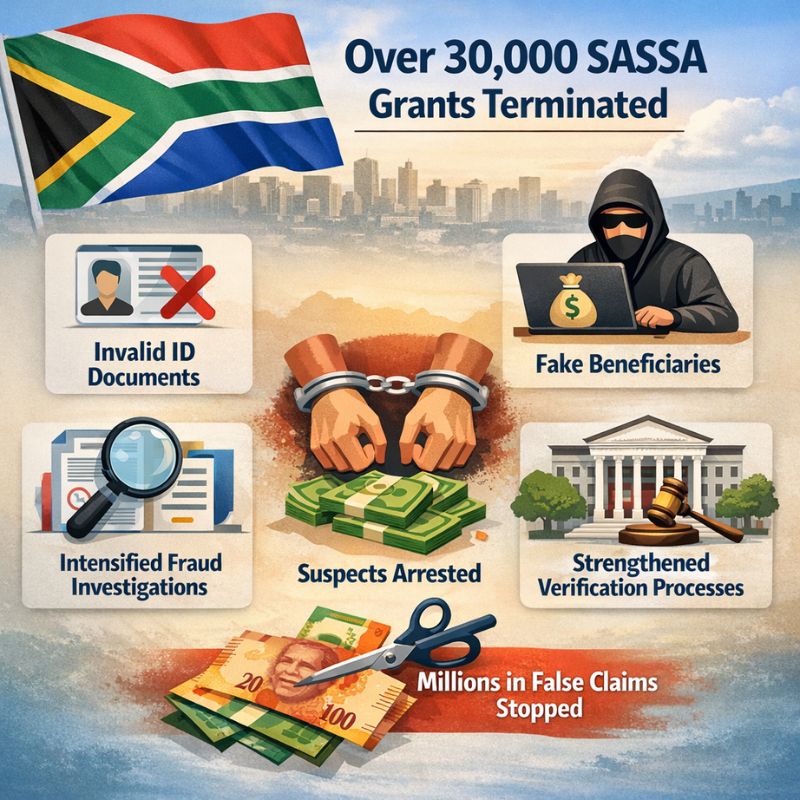
Ultimately, these changes are expected to not only save the government millions of rands but also enhance the credibility and efficiency of the social security system. With better controls in place, South Africa can be more confident that its social grants are being distributed effectively, ensuring that the benefits reach those who need them the most.