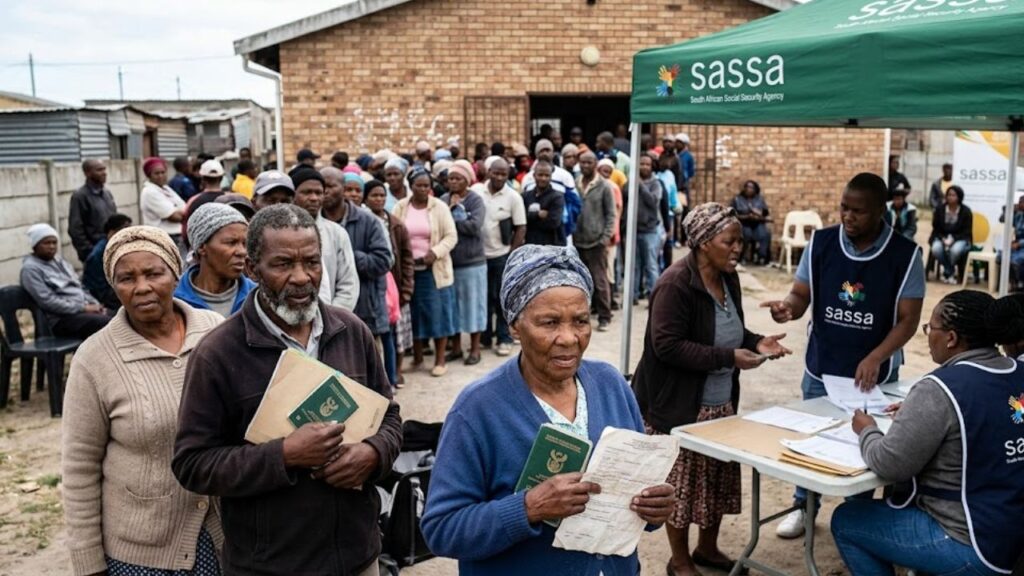
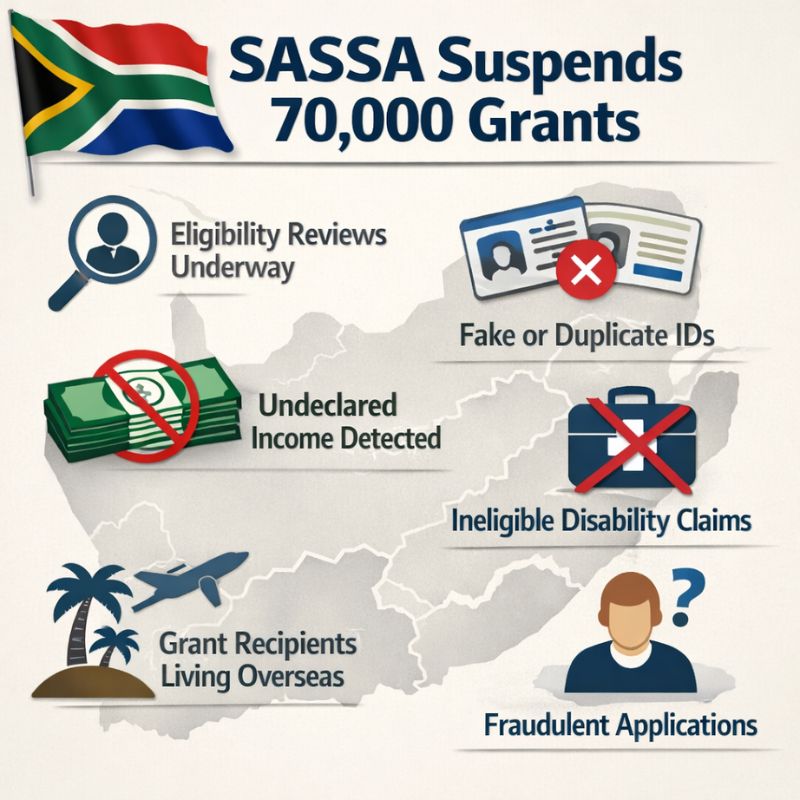
SASSA CEO Themba Matlou stated that approximately 240,000 grants have been reviewed thus far, with roughly 70,000 suspended for non-compliance, during a briefing on the organization’s third-quarter performance at Parliament on Thursday. These efforts are part of a broader national initiative aimed at enhancing transparency and ensuring that social assistance funds are properly allocated.
Income Verification Procedures: A Closer Look
Income verification procedures have been a critical part of the review process, with about 495,000 individuals identified as possibly ineligible. The eligibility of nearly 400,000 beneficiaries has already been reviewed. The verification process aims to ensure that social grants are directed to those who truly need them. These procedures also involve matching data with various government systems and external partners like credit bureaus, banks, and even correctional services. This cross-referencing allows authorities to identify recipients with unreported income, employment, or other financial support.
The Financial Impact of Review Procedures
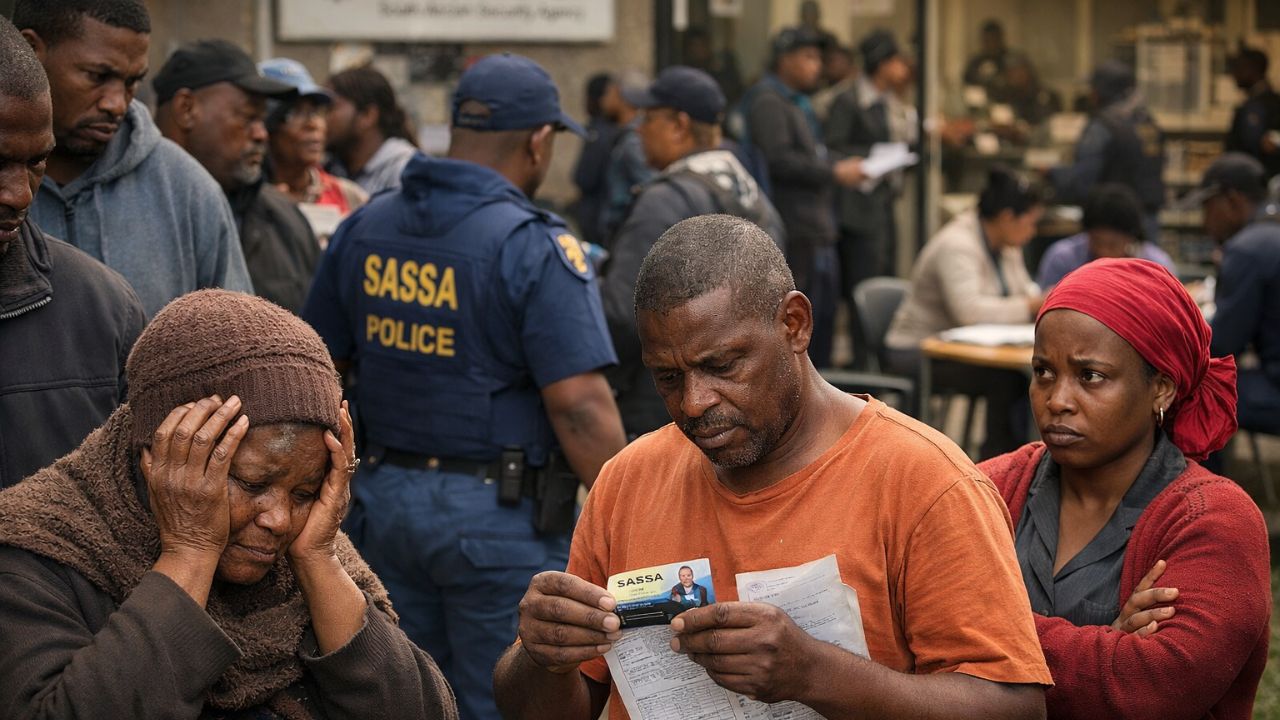
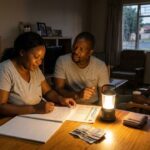
According to Matlou, the procedure has saved the government roughly R44 million per month, or nearly R500 million annually. This figure is a result of identifying ineligible beneficiaries and preventing grants from being paid to individuals who no longer meet the criteria. This saving is crucial as it directly supports the sustainability of South Africa’s social safety nets.
Government’s Increased Investment in Social Assistance
The Department of Social Development (DSD) informed Parliament last year that the Treasury had imposed more stringent requirements for SASSA’s budget, such as regular reporting, increased verification, and monthly income checks. Approximately 45% of people in South Africa rely on social grants. To ensure that these grants are sustainable, the government is investing heavily in the system. The Social Relief of Distress grant will be extended until March 2027, according to a recent announcement by Finance Minister Enoch Godongwana. For social assistance, the DSD has been allocated R260 billion for 2026–2027 and R271 billion for 2027–2028.
Fighting Fraud and Ensuring Transparency
Fraud detection is another significant area where SASSA has strengthened its efforts. Partnerships with credit bureaus, banks, and other agencies have helped to reduce the risks of fraudulent claims. These checks have been designed to identify individuals who may be receiving grants despite having unreported income, employment, or other financial support. The growing concern around fraud has led to tighter enforcement and an ongoing push for increased transparency within the social grant system.
According to Matlou, the goal of these checks is to ensure that grants are not being paid to individuals who are ineligible due to changed circumstances. In some cases, beneficiaries are found to have other sources of income that make them ineligible for social relief. Identifying such discrepancies is critical in maintaining the integrity of the system and ensuring that funds are distributed fairly and equitably.
Proactive Review Process: A Fair Chance for Beneficiaries
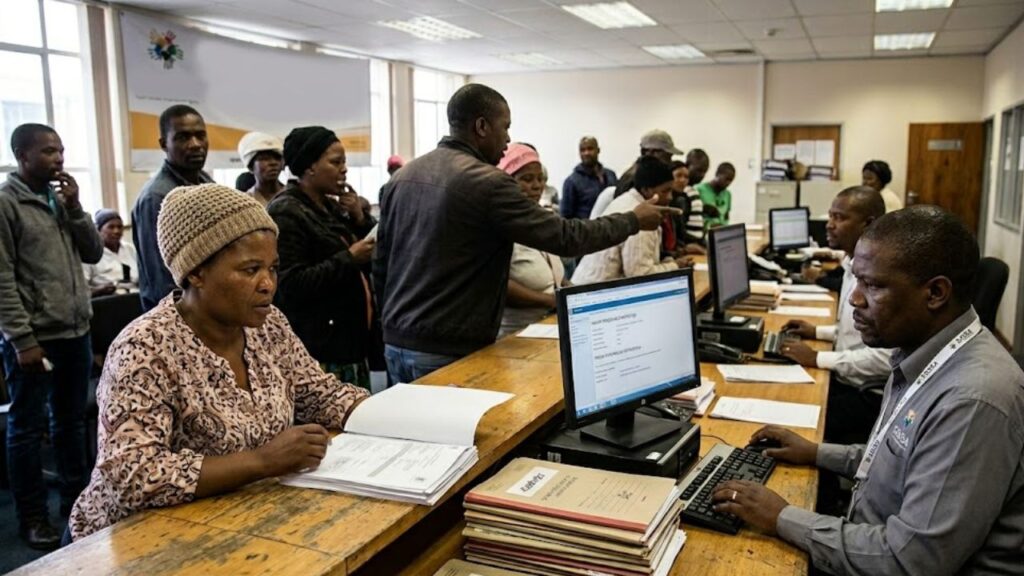
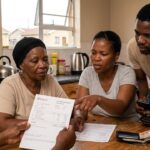
In December, letters were sent to about 25,000 beneficiaries asking them to show up for reviews. Matlou emphasized that these reviews are part of a proactive process to ensure that the social grant system remains intact and that funds are directed to the right recipients. Beneficiaries are given a fair opportunity to respond to the reviews, with a month to finish the required procedures. If they fail to show up, SASSA sends out additional warnings before suspending the grant and eventually canceling it.
Special Considerations for Beneficiaries
In cases where beneficiaries are unable to complete the review on time due to extenuating circumstances, SASSA has shown flexibility. Deadlines are often extended to accommodate those who may have missed notifications or faced difficulties in visiting local offices. In some cases, beneficiaries under review are given a “fourth payment date,” indicating that they need to visit SASSA offices to continue receiving their grants.
Innovative Measures to Improve Access
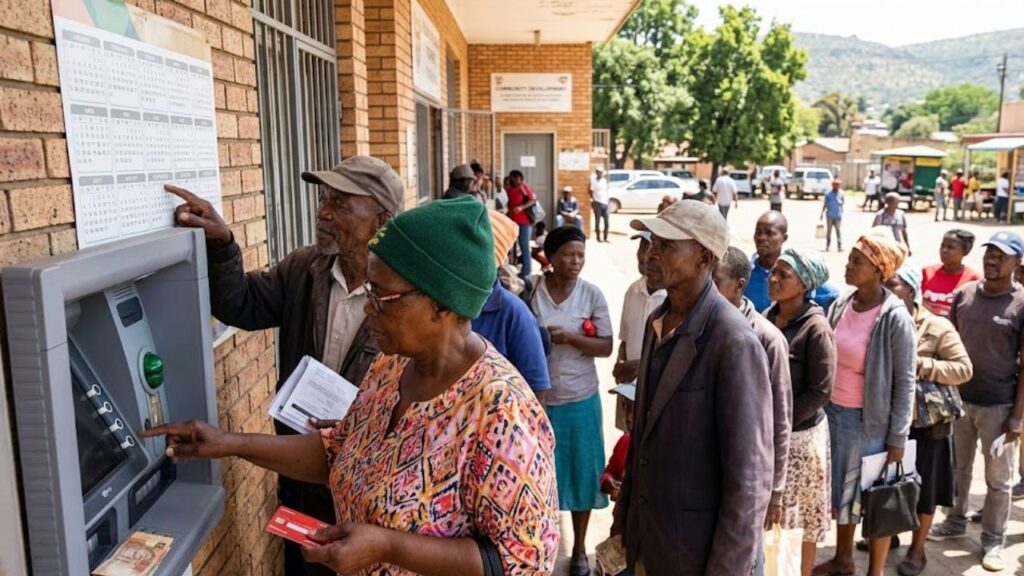
In order to improve access and reduce long queues at local offices, SASSA has introduced several new measures. These include expanding self-service options, introducing biometric enrollment systems, and increasing capacity at local offices. These changes aim to make the process of verifying eligibility more efficient and user-friendly for beneficiaries.
Fraud Investigation: A Wake-Up Call
Two University of Stellenbosch students, Joel Cedras and Veer Gosai, discovered a potentially enormous fraud involving the Social Relief of Distress grant in October 2024. Their findings prompted a parliamentary investigation and led to increased efforts to curb fraudulent activities within the system. The case highlighted the need for vigilance and continuous monitoring in order to ensure the fair distribution of public funds.