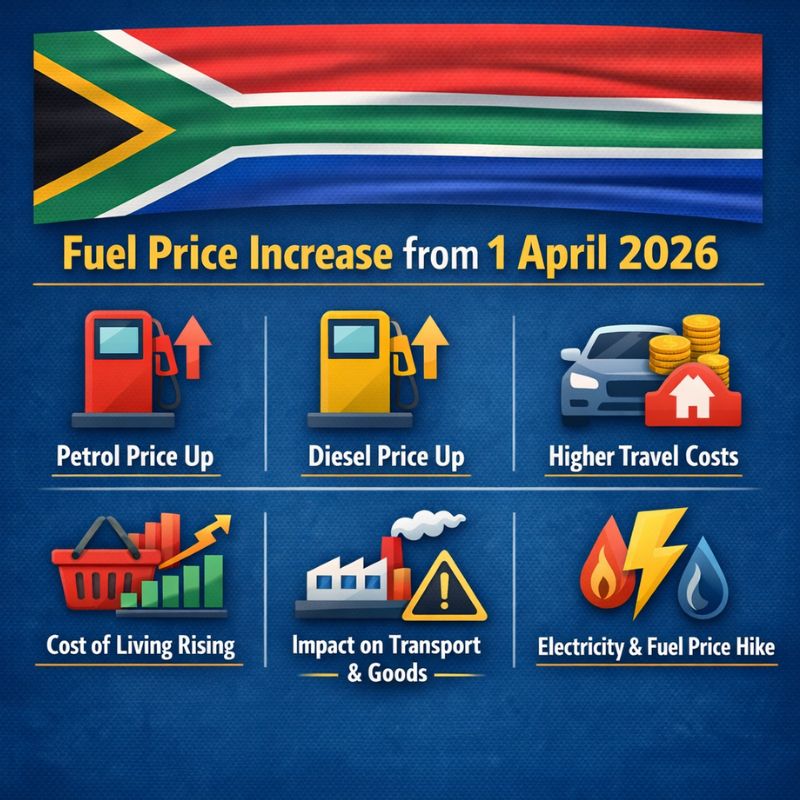
South Africa is set to face an increase in fuel prices starting from 1st April 2026, causing concerns among motorists. The price hikes come at a time when global oil prices are fluctuating due to several geopolitical factors. This increase will have a significant impact on fuel-dependent industries and everyday consumers. Motorists will need to adjust their budgets as they brace for the changes that are expected to affect their daily commuting costs and overall transportation expenses.
Fuel Price Increases in South Africa for April 2026
The fuel price hike in South Africa, effective from 1st April 2026, will see a significant rise in both petrol and diesel prices. This increase is expected to have a ripple effect on transportation costs across the nation. The petrol price rise will hit motorists in their pockets, especially those who rely on fuel for long-distance commutes. The government is urging the public to adjust their travel habits and consider alternative transport options to manage the higher costs. This adjustment is necessary for both individuals and businesses to cope with the impending changes in fuel prices.
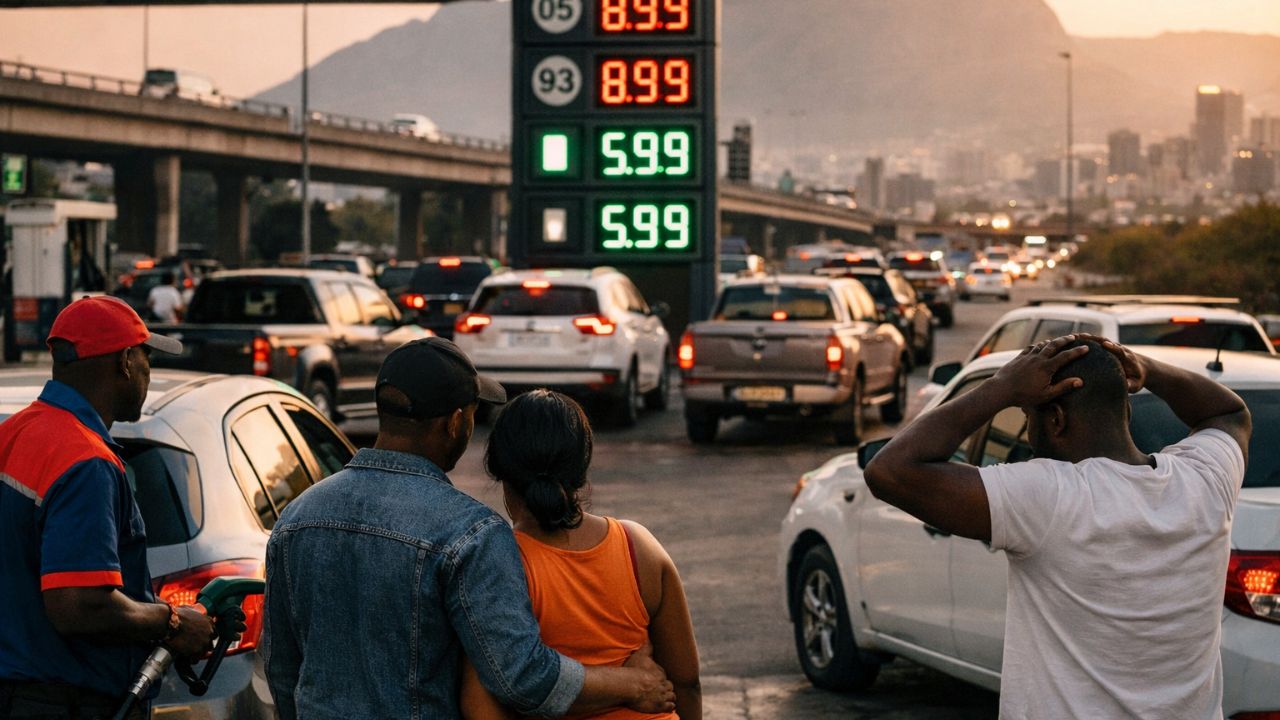
How the Fuel Price Increase Affects South African Motorists
South African motorists will experience a notable change in their monthly fuel expenses, with the increase in fuel prices set to put pressure on household budgets. The price for unleaded petrol will rise by a substantial amount, making it more expensive for commuters to get to work or school. Furthermore, businesses relying on fuel for deliveries and services will face higher operating costs, which could translate into price hikes for goods and services. The government is exploring possible measures to mitigate the economic impact of these changes, including subsidies and support programs for the most affected sectors.

Geopolitical Factors Contributing to South Africa’s Fuel Price Hike
The price hikes in South Africa are partly due to external factors such as fluctuations in the global oil market. The ongoing geopolitical instability, particularly in key oil-producing regions, has led to volatile global oil prices. These global shifts directly affect the price of crude oil, which is a key component in the cost of fuel. The weakening rand against the dollar is also contributing to the price increase, making oil imports more expensive. As a result, South Africa’s fuel prices are experiencing upward pressure, which impacts everything from daily commuting to business operations.
Summary of South Africa’s Fuel Price Increase
In summary, South Africa’s fuel price increase starting in April 2026 will have widespread effects across various sectors. Motorists will face higher costs at the pump, impacting their daily transportation expenses. With geopolitical tensions and currency fluctuations contributing to the rise in global oil prices, the cost of fuel in South Africa is expected to remain volatile. Government interventions may help mitigate the impact, but it’s clear that this price hike will challenge both consumers and businesses alike to find ways to adjust their budgets and consumption patterns.
| Fuel Type | Current Price | Price Increase (R) | New Price (R) |
|---|---|---|---|
| Unleaded Petrol | R20.00 | R1.50 | R21.50 |
| Diesel | R18.50 | R1.20 | R19.70 |
| LPG Gas | R10.50 | R0.80 | R11.30 |
Frequently Asked Questions (FAQs)
1. What caused the fuel price increase in South Africa?
The increase is due to global oil price fluctuations and a weakening rand, which have driven up fuel costs.
2. When does the fuel price increase take effect?

The price hike will take effect on 1st April 2026.
3. How will this price hike affect South African businesses?
Businesses reliant on fuel will face higher operating costs, potentially leading to price increases for goods and services.
4. Are there any government measures to help with the price rise?
The government may introduce subsidies or support programs to mitigate the economic impact on affected sectors.